The Pacific Marine Mammal Center receives a call from a California resident who is concerned for a sea lion that is stranded on the shore. He appears weak and vulnerable.
A team heads down to the beach to examine the animal, and when it is confirmed that it requires assistance, it is brought to the center located in Laguna Beach, California. Dr. Alissa Deming is one of the veterinarians, and vice president of Conservation and Medicine Science at the Center, that receives the animal for examination. The sea lion has developed a genital cancer called carcinoma. She then takes samples of the blubber and realizes that, among other chemicals, the animal has high levels of Dichlorodiphenyltrichloroethane (DDT).
“For the past 40 years our sea lions have been telling us that there’s something off our coast that is not healthy for them,” says Dr. Alissa Deming.
Only 10 miles from the coast of Los Angeles, between Catalina Island and Long Beach, lay 27,000 barrels of DDT. They have been dumped between 1947 and 1961 and have been provoking harmful effects to marine life and the environment since. Environmental scientists and marine biologists have been trying to catch authorities' attention on this matter for the past 40 years, but have only received it now.
Up to this date, marine biologists have been analyzing the effects of DDT in animals that have been exposed to the chemical. Sea lions have developed genital cancer, which is linked to the high amount of chemicals found in their blubber. Studies have found 45 DDT- related compounds accumulated in dolphins' bottlenoses, and initial studies found that it is affecting their reproductive hormones and immune system. Brown pelicans, who directly eat the fish from the ocean, are laying eggs with thin eggshells that are leading to the death of the chicks.
Marine biologists and experts believe that, even though the cause is receiving attention now, DDT may remain in marine animals and the environment for many years, after long-time exposure.
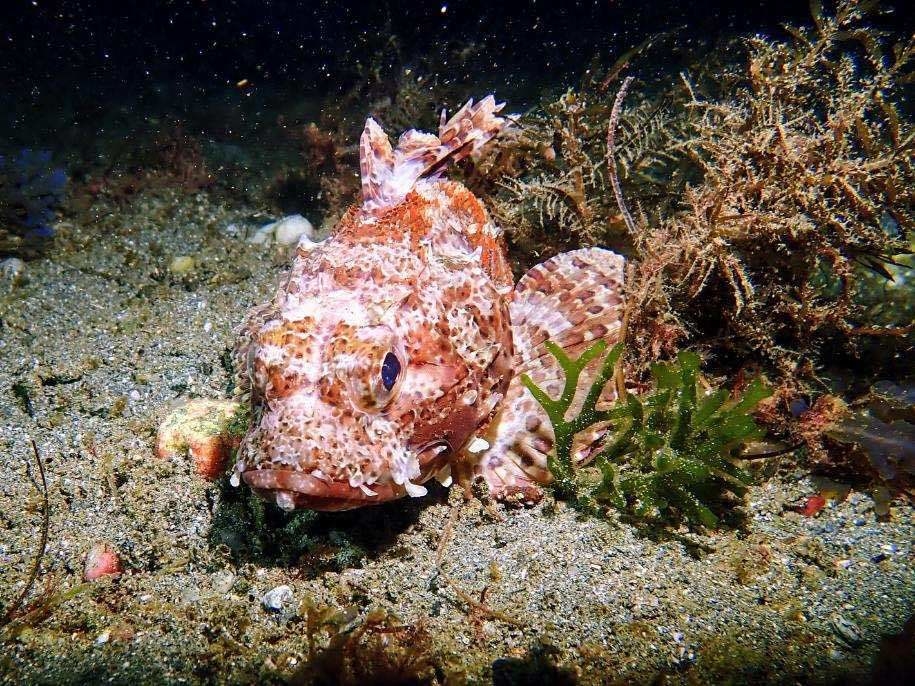
A California Scorpionfish. Photo Credit: Blue Holic Scuba
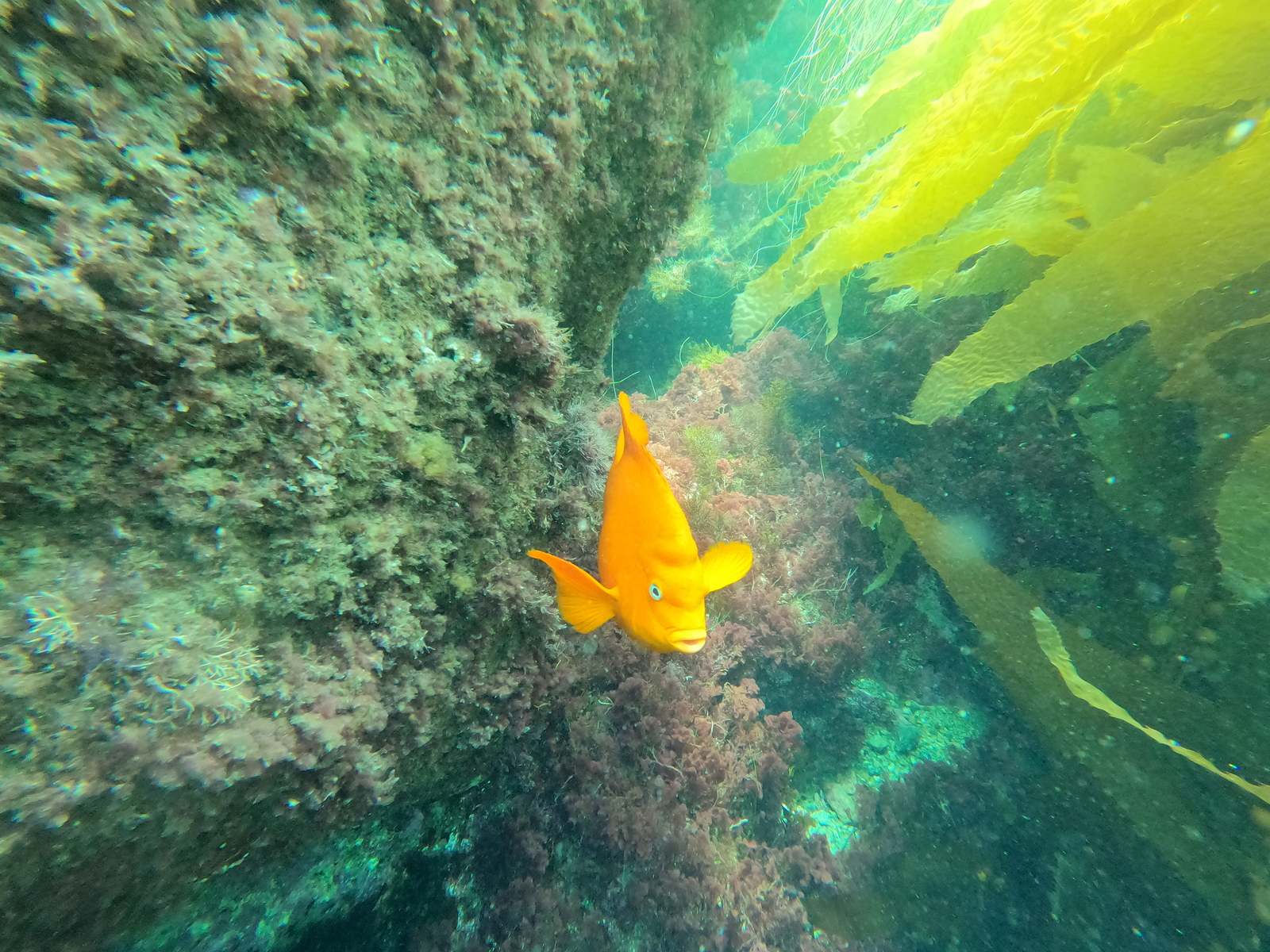
The Garibaldi also known as the Catalina Goldfish. Photo Credit: Blue Holic Scuba
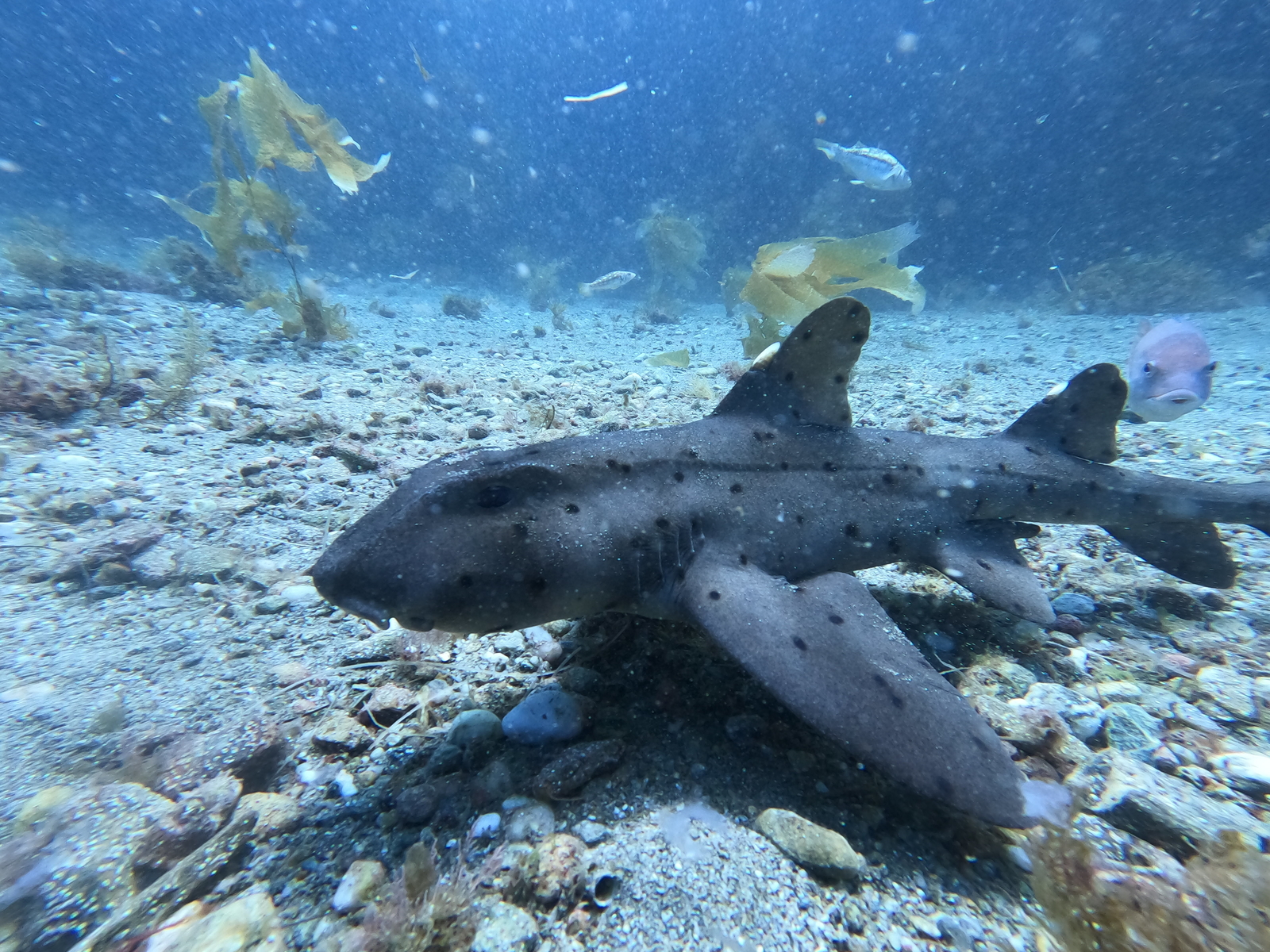
A horn shark swimming in the bottom of Catalina Island. Photo Credit: Blue Holic Scuba
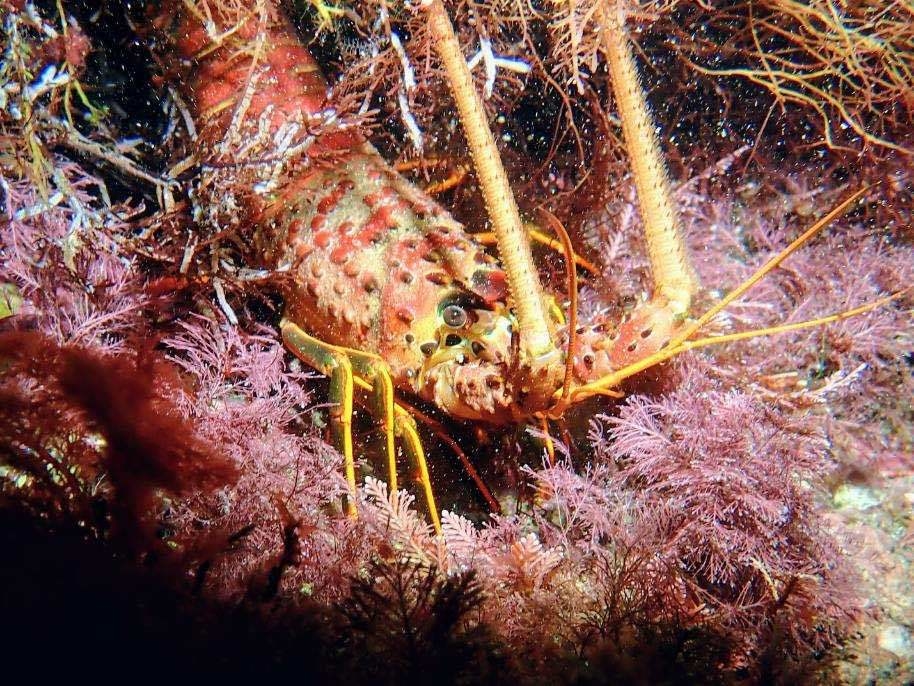
A spiny lobster in Catalina Island. Photo Credit: Blue Holic Scuba
DDT was banned 50 years ago, but remains a threat to wildlife and humans
Between 1945 and 1965, DDT was used around the United States. It was proved to combat malaria and typhus, and was inserted in a drug called Diethylstilbestrol (DES), to prevent women from having miscarriages during their pregnancies.
In 1972, however, DDT was banned from the United States after it was suspected to potentially harm wildlife and human health.
Despite the chemical not being produced for almost 30 years, it was recently found that 27,000 barrels of DDT remain in our ocean, only 10 miles from the coast of Los Angeles.
Montrose Chemical Corporation opened its plant in 1947 to produce DDT in California. In 1980, scientist Allan Chartrand discovered that they had been dumping DDT waste into the ocean between 1947 and 1961. More than 2,000 barrels were dumped each month in three dumpsites: Palos Verdes Shelf, Santa Monica Basin (Dumpsite number 1) and San Pedro Basin (Dumpsite number 2).
Barbara Cohn and Allan Chartrand speak about the discovery of the barrels and the effects of DDT in humans

Barbara Cohn describes why DDT is a possible human carcinogen to humans. Photo Credit Public Health Institute

Allan Chartrand describes how he discovered that Montrose had been dumping DDT into the ocean. Photo Credit: Los Angeles Times
Between 1996 and 2000 a settlement with Montrose forced the company to pay $140 million USD, and Palos Verdes Shelf was declared a superfund site. These events put the public eye to ease, forgetting that there were two additional deep-ocean dumpsites that had tons of toxic waste in them. In 2011, researcher David Valentine broke the peace when, while working on a non-related investigation on San Pedro Basin, found the barrels. He published his findings in a 2019 report.
Until that date, however, the topic was ignored, leaving those dumpsites unattended while they continued to leake DDT, which accumulated in marine animals' tissues, leading them to their death.
Human actions are developing tumors in sea lions
California sea lions have one of the highest rates of cancer among mammals in the world. According to a report co-authored by Dr. Deming, 18-23% of adult animals have cancer. Over the past 40 years, they have been developing a genital cancer called carcinoma, which is developed after having a herpes virus infection.
The Pacific Marine Mammal Center spot checks sea lions from the coast of Los Angeles to determine what contaminants are present in the shores each year. In the sea lions that had developed cancer, they found high levels of DDT in their samples. Once exposed, the chemical bioaccumulates in the animal’s body and can remain through multiple life cycles and generations.
A seal swimming in Catalina Island. Video Credit: Blue Holic Scuba
Even though there is a connection between the exposure to DDT and cancer among sea lions, Dr. Deming emphasizes on the complexity of the topic they are treating, as they don’t know the history of the animal nor what they’re feeding off. According to veterinarian Lauren Palmer, who works at Marine Mammal Care Center, trying to find a cause and an effect will not be successful, as chemicals are found everywhere around the globe, and it is hard to determine where the animal has been.
“I don’t think we matured in a way that favors the environment over short term profits,” Dr. Palmer says.
Although Valentine's study put the topic in the institution's eye again, the centers still lack funding in order to continue investigating the effects of the barrels in marine animals; to run a DDT sample, the amount runs from $500 to $1000 USD. Marine biologists hope that the state takes awareness of the amount of analysis still left to do to determine the effects of DDT levels in marine animals.
“There is a data gap in marine mammals' contaminant work,” Dr. Deming says. “Now that we know that these barrels are still active, it presses to prioritize the funding.”
Explore the location of the barrels in the coast of Los Angeles
(Click on the arrows on the bottom left)
Dolphin’s blubbers expose high levels of contamination in Southern California
Dr. Eunha Hoh, environmental health scientist at San Diego State’s Schools of Public Health, was originally studying persistent organic pollutants and how they resist degradation. Usually, if chemicals are in the animal’s body, they are removed via a detoxification process done by the liver. However, DDT pollutants don’t detoxify; they go into the animal’s tissues and are accumulated in the fat.
Marine animals are in the top of the food chain, so they have the highest levels of pollutants accumulated. Dr. Hoh and her team tested dolphins' blubbers and reported more than 300 chemicals in the Southern California region. Among these, they found 45-related compounds of DDT, confirming that dolphins in Southern California are exposed to it.
“These chemicals were abundant,” she said. “The DDT concentration was the highest among the same species around the U.S. and globally.”
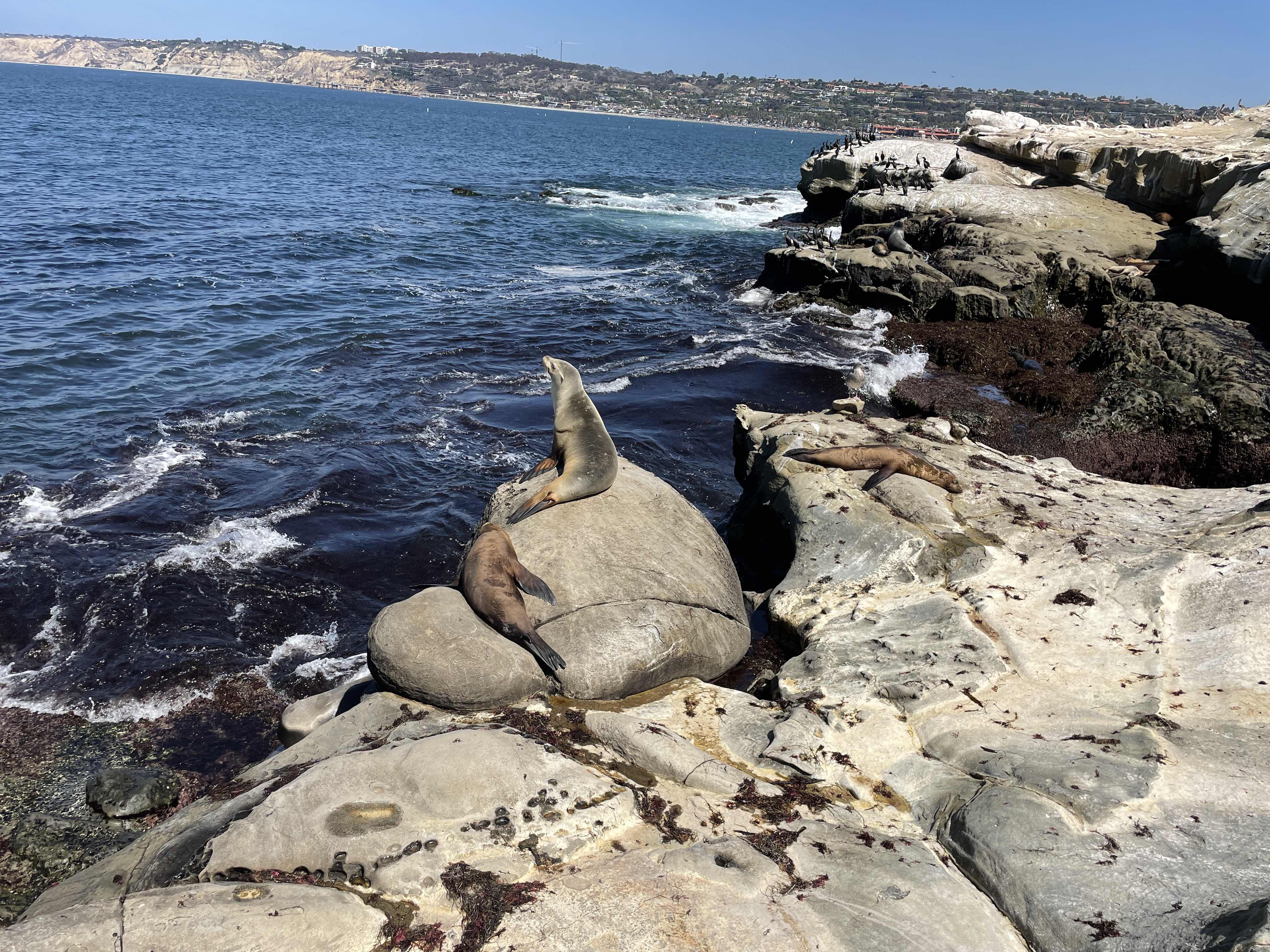
Sea lions in the coast of California. Photo Credit: Clara Preve-Durrieu
Until recent years biologists and researchers were only aware of the dumping in the shallow water of Palos Verdes Shelf, and tests were done according to that information. Based on hormone levels and genetic information, they found that DDT causes metabolic disorder, cancer and reproduction and immunological problems in marine animals.
According to Dr. Hoh, DDT is not going to fade away soon, as the concentrations are high, and it is already inserted in the food chain.
“There is a long time exposure in generations and people ignore that,” Dr. Hoh says. “Imminent risk or slowly impacting, we need to be aware of it in order to know what to do,” she added.
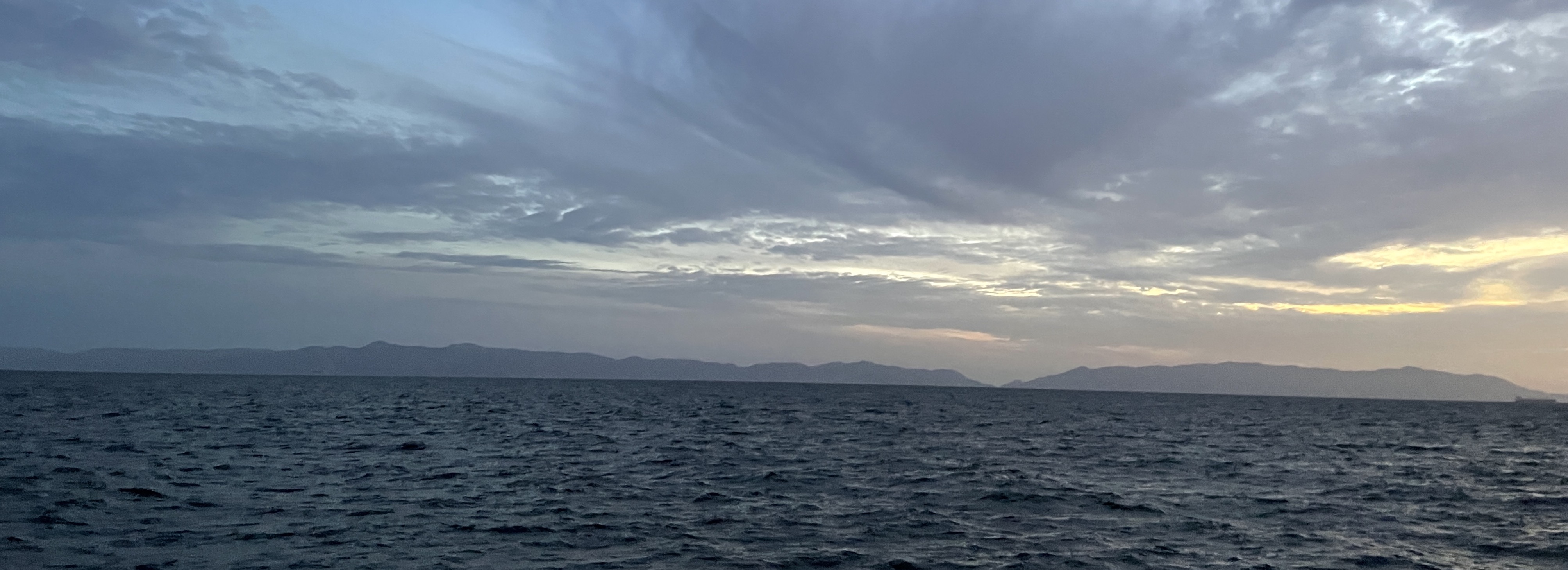
Catalina Island. Photo Credit: Clara Preve-Durrieu
Once the sea lion strands in the Southern California coast, the tumor has already spreaded around the entire body and there is no way to treat it.
Part of the picture that Dr. Alissa Deming brings to the table is that sea lions are mammals that are physiologically and anatomically similar to humans; similarities run among the immune systems, the fact that women give birth and lactate, that they are both warm blooded creatures and that they eat the same seafood.
“What is happening to sea lions should be the key for people to understand that these impacts can occur in humans too,” Dr. Deming says.
As a researcher, Dr. Deming runs tests among animals who have passed away as a consequence of these chemicals, to create consciousness of what humans are capable of.
“We do the research to honor our patients and be their voice,” she says. “Hopefully this is seen as an example as to why we need to clean up the environment for future generations of sea lions and people, and avoid them succumbing to the same impacts.”
Calamari swimming at night in Catalina Island. Video Credit: Clara Preve-Durrieu