In South Los Angeles, to the west of the Alameda Corridor lies an unassuming thoroughfare. Central Avenue is a quiet street lined with graffiti-faced buildings, unemployment offices, and street markets. Many residents who pass through are unaware of the overwhelming history that surrounds them.
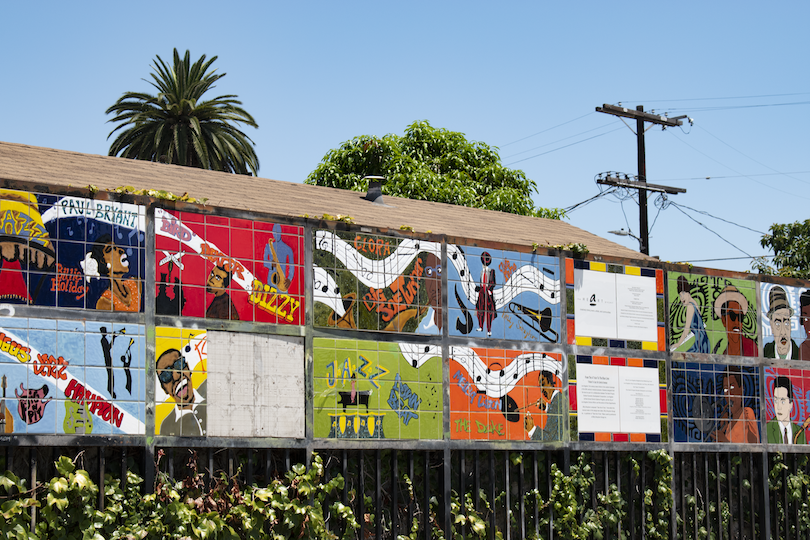
Central Avenue was once an enclave for African American life and the primary hub for Black arts and culture. There remain few reminders of the greatness that once took place on Central Avenue: the refurbished Dunbar Hotel, street signs shaped like jazz instruments, and landmark markers that point to former jazz clubs and ballrooms. But despite these small tokens, the area has all but moved on. Integration efforts of the late 1940s and early 1950s caused a mass exodus from the area, and parts of the Watts Uprising that took place on Central Avenue in 1965 left it in disarray. As the buildings were rebuilt and the street was repopulated with different demographics in the years that followed, Central Avenue’s impact and influence on jazz music were largely forgotten.
Two people, however, are pushing to restore Central Avenue’s musical legacy today: Patrice Rushen, an award-winning musician and chair of the Popular Music Program at USC Thornton; and Ron Parker, a choreographer and director of the Central Avenue Dance Ensemble.
These Central Avenue natives are individually working to keep the spirit of Central Avenue alive, but the work isn’t easy. Whether it’s convincing local officials to fund preservation efforts or navigating through an uncertain future brought on by a global pandemic, maintaining the musical legacy of Central Avenue continues to be a struggle.
Rushen says it’s crucial to raise awareness about the area’s heritage and influence on American culture. In 1996, Rushen joined a small committee to plan the inaugural Central Avenue Jazz Festival. The free autumn event honors Central Avenue by including jazz performances from both local and national artists and lessons on the rich history of Central Avenue. From 1996 to 2019, Rushen witnessed the festival grow from an idea to a South Los Angeles staple.
“The last time that I was on the festival, we were in person. I looked out on the stage, I saw tens of thousands of people,” Rushen says. “Immediately I shot back to those first couple of years. That was a big deal. And I’m on the stage playing, so I look out there and I see that, and it was almost overwhelming for me.”
But Rushen would not see a crowd of tens of thousands of people the following year. The COVID-19 pandemic caused the Central Avenue Jazz Festival’s 25th and 26th annual shows to transition online. The transition caused confusion. People are unsure if the festival would even happen. City officials are reluctant to release any information, dates that would have been announced well in advance are not yet released, and the festival’s website has yet to be updated. As the pandemic continues, the city’s regard for the arts has fallen by the wayside.
Rushen acknowledges this shift in attention. “I do think that sometimes, with the myriad of things that everyone is dealing with, we have a tendency to push [the arts] to the back.”
However, she continues to push the need for events like the Central Avenue Jazz Festival and its homage to music. “I think that one of the things that we are continuing to learn is that culture, and the celebration of art, and the celebration of music... that’s not a luxury. That’s an absolute that has to happen because art is what keeps us human.”
Rushen is not the only Central Avenue native continuing its legacy amid uncertainty. Choreographer and dance historian Ron Parker founded the Central Avenue Dance Ensemble in 2011 to educate the wider community about Central Avenue’s impact on dance. His show “A Night at Club Alabam” was a vintage nightclub floor show that exposed audiences to styles of performance that were prominent in the Central Avenue club scene.
“We were trying to emphasize the variety,” Parker says. “And we were talking about a subject that few people could recognize. Black history month, people could recognize. The history of Central Avenue? Not so much.”
But these educational shows are difficult to put on without the proper funding. “You would think that something like this would get support at least from the government-sponsored cultural organizations. And it doesn’t,” Parker says. “We got zero support from the LA Department of Cultural Affairs. Zero support from the LA County Department of Arts and Culture... we could use [their] help.”
Despite the lack of funds, however, Parker says that he is still dedicated to educating people on the history and culture of Central Avenue. He believes that education is the key to getting younger generations involved in embracing and preserving the legacy.
Nearby at Thomas Jefferson High School, which is reputed to have produced more renowned jazz musicians than any other high school on the West Coast—including three-time Grammy award winner Etta James, history has taken a back seat to the football field. Michael Gray, the current music teacher, admits that even he did not know of the school’s musical history and impact when he started there.
“I had no idea. I went and interviewed, and I met the music teacher there. He built a successful marching band program.” Gray says. “So I just thought that Jefferson was the marching band school - that’s all I knew.” Having since discovered the school’s jazz legacy, Gray now hopes to share this history with future students.
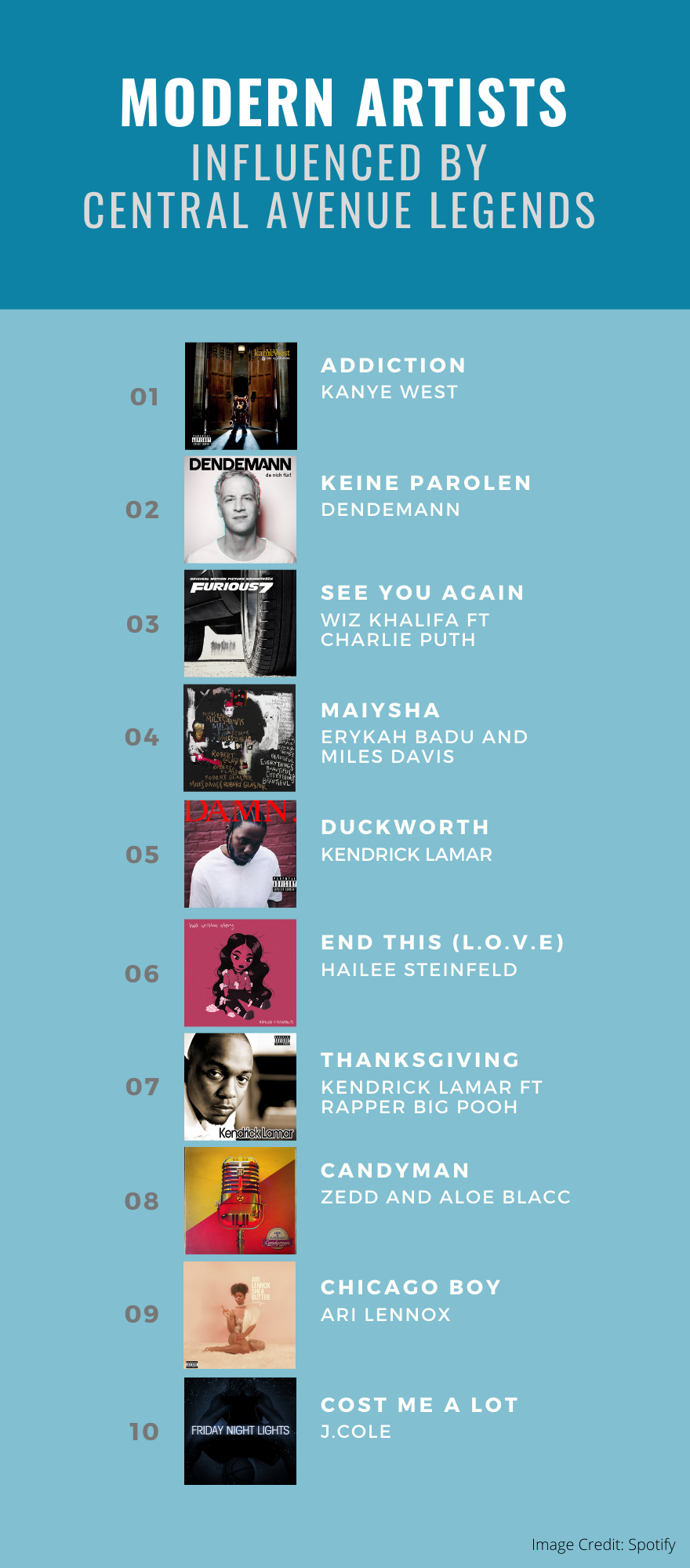
While the work to uphold Central Avenue’s legacy as a source of refuge and musical influence continues, its impact continues to inspire modern musicians today. Barbara Morrison, a musician and curator of the California Jazz and Blues Museum cites several mainstream artists that have credited the sounds that come from Central Avenue as major sources of inspiration in their music. World-renowned artists like Erykah Badu and Kanye West have even sampled the work of Central Avenue musicians.
The Central Avenue location may look different today, but its essence is still alive and will continue to be so in all of those who continue to fight for it.
Original Central Avenue musician Clora Bryant once said, “The street was over there, but it was all over LA. Central Avenue was all over LA. Wherever we congregated, that was our Central Avenue. It became more than a street, you know. It became a spirit.”
And that spirit continues to live on.
Memories of Central Avenue
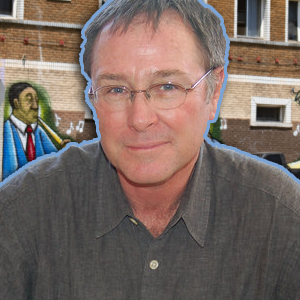
Dr. Steven Isoardi
prof. at Antioch University; author & editor of Central Avenue Sounds
“One of the key people in that first wave was saxophonist Big Jay McNeely and my teacher Bill Green told me a great story about Big Jay. One night he was playing at a club on Central, and it is called The Last Word, with his rhythm and blues band. And Big Jay would do anything he had to do to get an audience going and, a lot of times his band would just be riveted, just driving like crazy and he would just start walking through the audience blowing his solo. It was crazy. He would sit on people’s laps, he would flap on his back, do whatever.
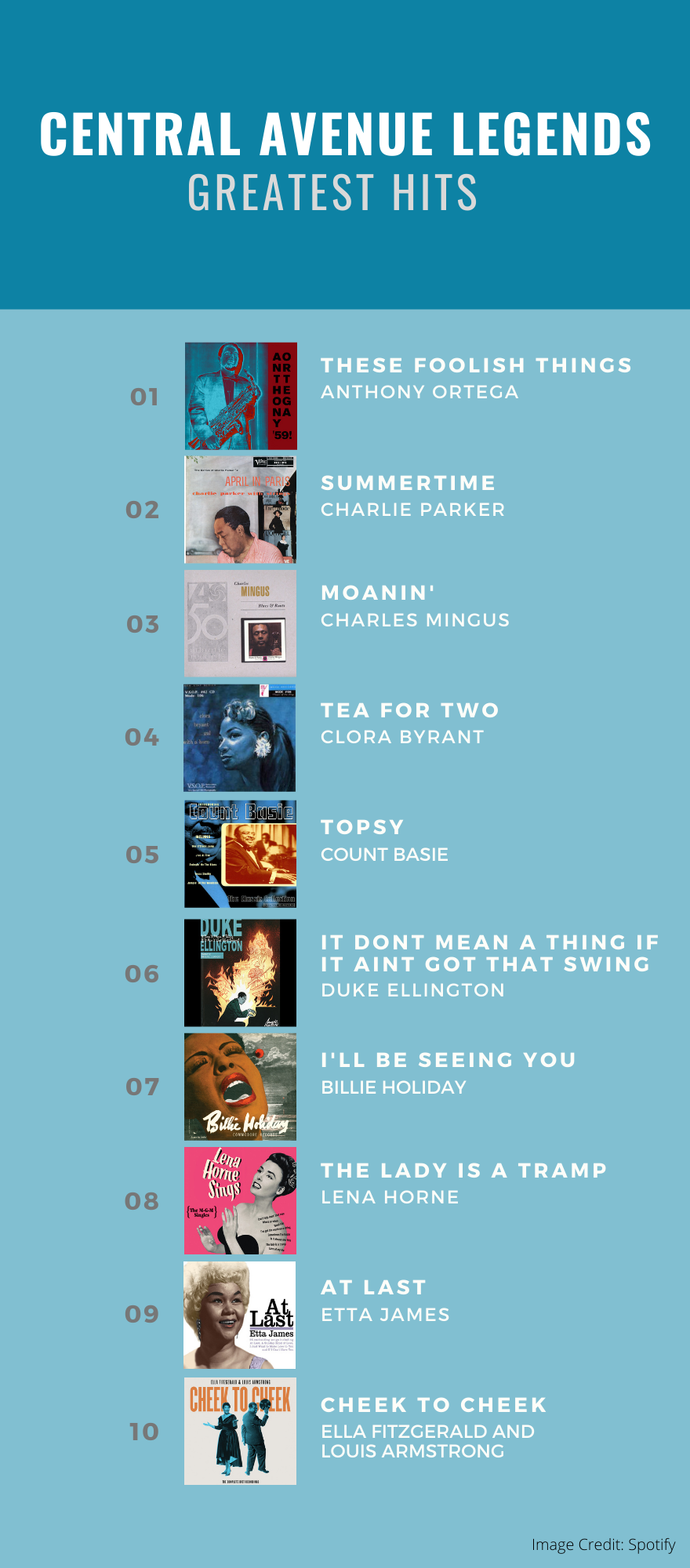
My teacher Bill Green told me one night, the band is just driving it and he goes walking out the front door onto Central Avenue. A bus comes up, he gets on the bus and travels north on Central Avenue for a couple of bus stops and then he gets off to be in a Hollywood film. They were staying at the Dunbar Hotel which is of course where all the visiting African American artists, politicos, etc. stayed. Well, their hit song, It Don’t Mean A Thing If It Ain't Got That Swing had come out recently and they hadn’t really heard the recordings yet. They were all at the Dunbar and they all went down to the jukebox in the café in the basement in the Dunbar. They had the jukebox down there and they had the record there. So, the whole band is in the café and of course they want to hear it and it starts playing. The whole band just reached around and grabs forks, knives -—just whatever they could — and they are all just pounding along to the rhythm of It Don’t Mean A Thing If It Ain't Got That Swing.”
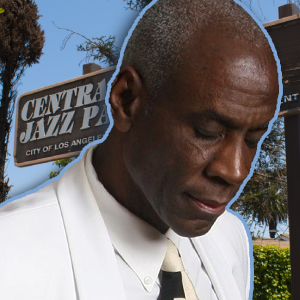
Ron Parker
choreographer & director of the Central Avenue Dance Ensemble
“You have to remember the context of Central Avenue in that period. We were still in a period of high segregation – racial segregation. There weren't a lot of places that people could go. I actually taught a senior citizen group and there was one woman I remember particularly. She was a great dancer back then even in her 80s. Back then, she used to talk about Central Avenue and going to dance on Central Avenue, so forth. Then, when she tried to go outside of the neighborhood, she talked about trying to go to Palladium – Hollywood Palladium – and being turned away because she was Black. You know, this wasn’t just for nightclubs. Black people had to eat, they had to get their cars fixed, they needed legal services, even theaters and that’s what you found at Central Avenue. You had all of these Black businesses that were thriving as a result of segregation.
Well, along comes the Civil Rights Movement and the Civil Rights Act – the Congressional Acts – and so you see that segregation is slowly subsiding. I grew up going to a White Front, which was like a big department store and I guess it was a chain, you know, around the country. That's what was on the corner of where I grew up. But now instead of having to go to the White Front on Central Avenue and Manchester, you could go across town to the Westside of town to the big department stores like Macy’s. There were a bunch of large department stores on the Westside. Now, people could go there and so Black businesses were declining on Central Avenue. That’s what was happening when I was growing up.”
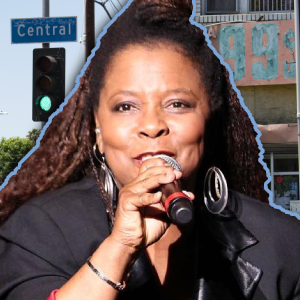
Patrice Rushen
award-winning musician & Popular Music Program chair at USC Thornton
“I didn’t really know about Central Avenue and them having that part of their history till I was in high school. I was involved in a jazz group that was a part of, you know, being a music major in an all-Black high school where the focus was going to be on studying music but also the realization that Black people had been a part of the music of America and a very important part of the music of America. It was then that I realized that that street that was right over there that I would pass everyday, you know, going to school or going to a friend’s house from school was an avenue where there was a lot of development of the music and used to be a hub and one of the stops that very famous jazz musicians from all over the States and the world would stop at.
I was too young to know the specificity of the Club Alabam and all these different kinds of places. I was discovering that some of my heroes and sheroes of the jazz ilk – that it was a common stomping ground and a place for them to play when they came to do their stints in Los Angeles. That point of discovery for me was pretty cool and what has made it important for me to continue to be a part of the support for the Festival and letting people know that that area was very, very vibrant and important to the history of the music.”