Cois Byrd still remembers feeling like a great adventurer when he was a child in the 1940s. He’d grab his friend LeRoy Smith, who lived in the last house on the road before the Santa Ana River in Riverside, and they’d run toward the wilderness.
The boys would walk along the Santa Ana River and watch small fish swimming among the ripples. Chasing minnows and frogs, they’d run between the cottonwood forest with planes circling overhead as they prepared to land at the small airport nearby. There was even a small pond created by the waterway where someone had tied a rope on a tree so kids could swing into the air and splash into the makeshift swimming hole. It felt like the whole world was theirs to explore.
“We could play all day without supervision and do what we wanted,” Byrd said, now 84. “It’s just what we did. It’s nice to look back on that.”
“It was a good way to grow up,” Byrd said. But his memories of playing in and around the Santa Ana River are long gone. Children don’t get to explore the stream anymore because much of it is dry, forgotten and littered with garbage. Today’s Santa Ana River barely resembles that playground from the past.
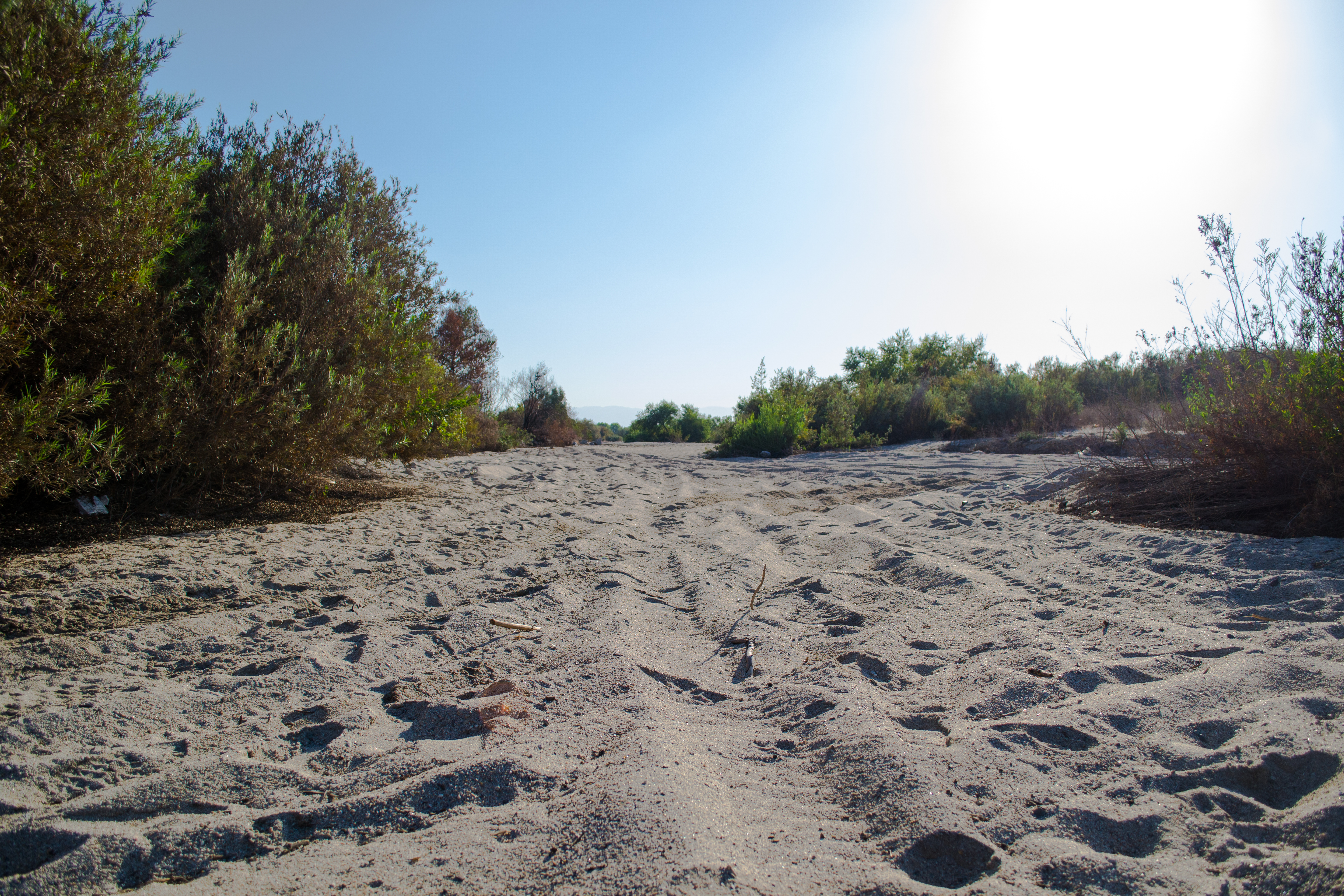
Some areas of the Santa Ana River do not have water running through them because of the dams put in over the last century to prevent flooding.
Diving into shallow water
Once, the largest stream system in Southern California, the Santa Ana River was a treasured resource. Indigenous people and then the Spanish lived along it, raising cattle and starting farms. However, like many rivers, it has been notorious for its intense floods.
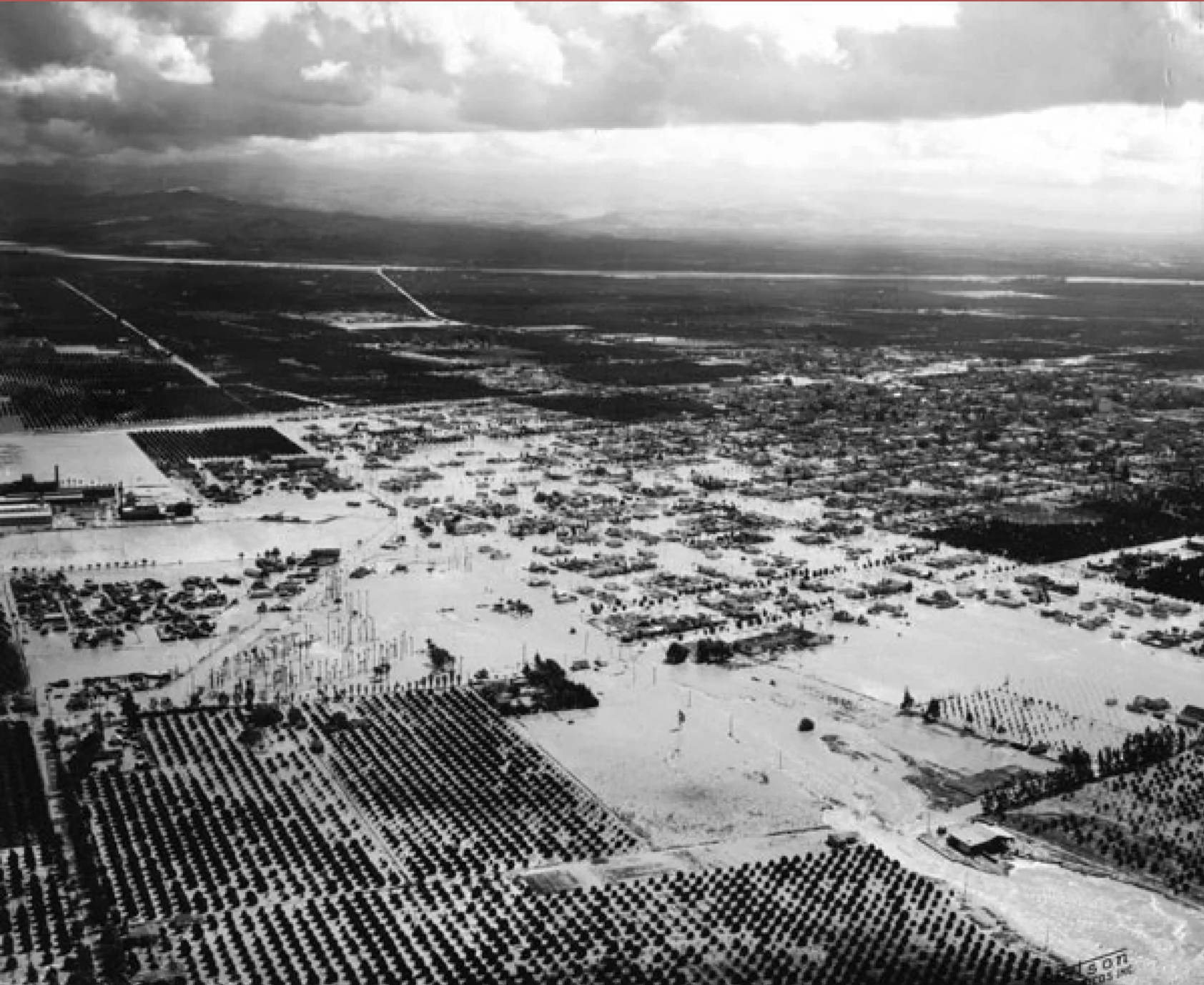
Anaheim was left underwater after the Los Angeles Flood of 1938. (Courtesy of the Anaheim Public Library)
In 1938, shortly after Byrd was born, the Los Angeles Flood damaged more than 68,000 acresand submerged the city of Anaheim. The Santa Ana River officially became the greatest flood hazard in the western U.S. So, the Prado Dam was built near Corona. Then the lower 30 miles of the brook were paved to further protect neighboring communities. Finally, the Seven Oaks Dam was completed in the city of Redlands, north of Riverside, in 1999.
Controlling the river might have made it safer, but is was largely ignored. While there are some trails and open sapce near the waterway's banks and public parks only make up 13% of the land surrounding the river. But city of Riverside Mayor Patricia Lock Dawson has set out to change that.
“In a perfect world, the river would be a thriving, vibrant, alive and highly-used area in our city,” Lock Dawson said. “It would be part of our economy, connected to downtown. It would be a mosaic of uses, some wild, some developed, some parks and fields but all things that are connected by the common thread of the river.”
This vision starts with the River-side Gateway Park Project, born out of the mayor’s plan to “put the river back in Riverside.” But seeing these ideas and vision come to life will take funding, support, approval and time.
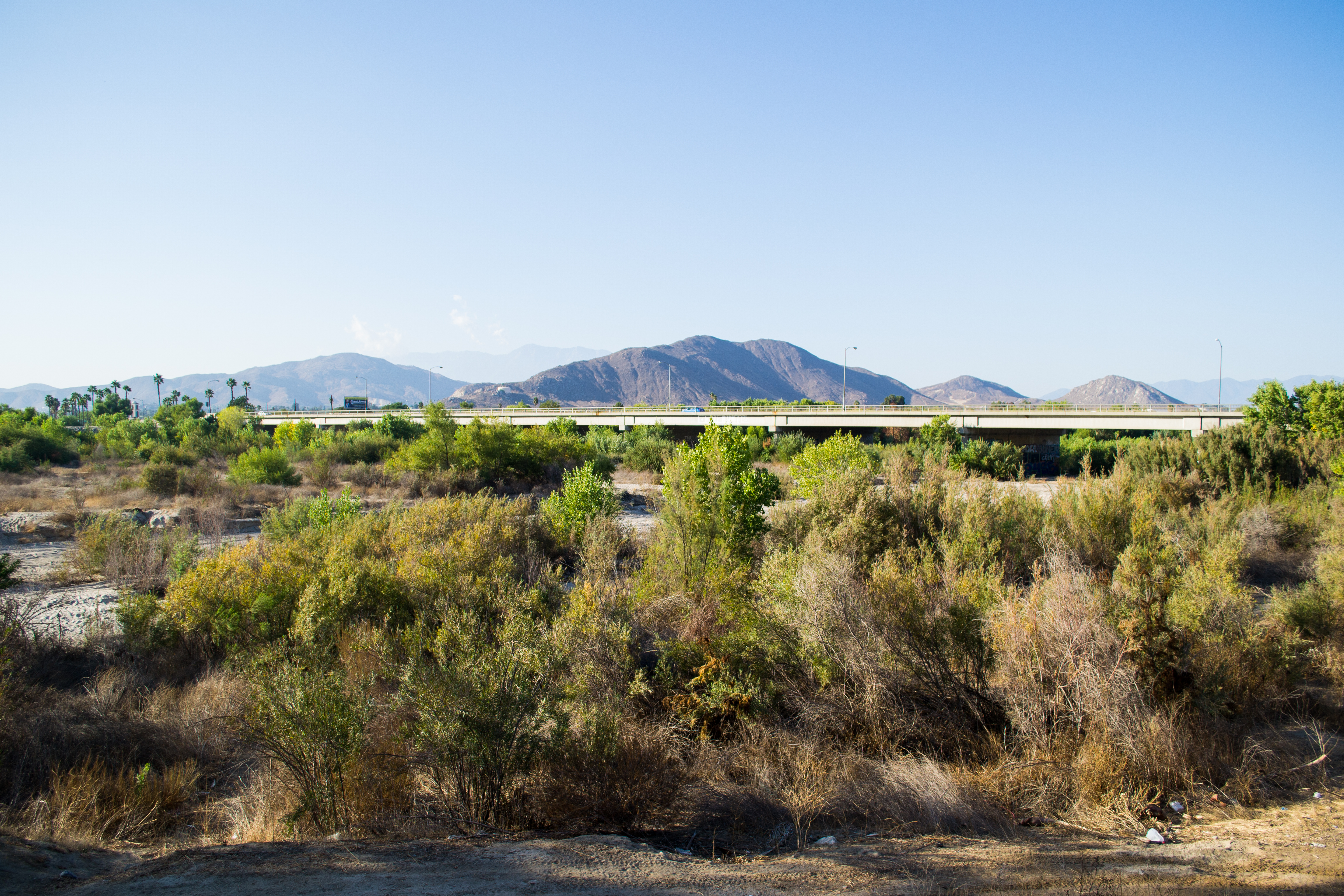
The city of Riverside owns more than 200 acres of undeveloped land around the Santa Ana River that officials are hoping to develop into parks, trails and open space.
Changing course
“First, you’ve got to turn the public’s opinion around about the river,” said Ray Hiemstra, associate director of programs at the Orange County Coastkeeper/Inland Empire Waterkeeper, which works to protect the region’s water resources, including the Santa Ana River.
“The narrative around the river is that it’s polluted, it’s full of trash, the people who go there are from disadvantaged communities and it’s an undesirable and unsafe place to be,” Hiemstra said. “Which is, overall, not true. But it’s not as nice as it should be.”
Keep Riverside Clean and Beautiful, a nonprofit organization run by the county of Riverside, hosts multiple clean up events throughout the year to beautify the Santa Ana River.
The rivulet's less than favorable reputation is not surprising. Large portions of the river are dry or paved, while some areas of dry riverbed are feared for the people who set up dirty tents there. But in recent years, public officials are starting to look at the riverfront as more of an amenity than an inconvenience.
The city of Riverside has recognized how this natural asset could be transformed into recreational opportunities for residents. This could improve the quality of life while also increasing city revenue. The value of local homes and private investments in the form of new businesses and buildings would potentially create new jobs and funnel money back into the city.
As Hiemstra points out, if you can get people to see the stream as a resource, there’s more pressure to ensure it is clean, functions properly and has reliable infrastructure.
But the development process has just begun. In May, landscape architecture firm Studio-MLA was selected by the city to start the planning, analysis and design. They will look at nine sites along the approximately 6.5 mile section of the nearly 100-mile watercourse for around $2 million. Eight of these nine sites will be on more than 200 acres of city-owned land.
Though the designs are nowhere close to finalized, the initial plans include the creation of walking trails, camping areas, picnic areas, community gardens, a zip line, a small amphitheater, nature playground, woodlands, dog parks, skate parks and more.
For the next two years, Studio-MLA will conduct site inventories and analyses to understand the habitats and wildlife. They will also have to oversee a California Environmental Quality Act process, mandated by law, to ensure the projects will not cause significant environmental damage. Then, the contractor will create Master Plans that will be presented to Riverside’s Parks and Recreation Committee, the City Council and residents in public meetings.
Studio-MLA will sift through the feedback and work with the city to ensure the designs balance the needs of the city and the limitations of the site itself with what residents want. According to Matthew Romero, senior associate at Studio-MLA and project manager for the River-side Gateway sites, “It’s a delicate process of making everyone happy.”
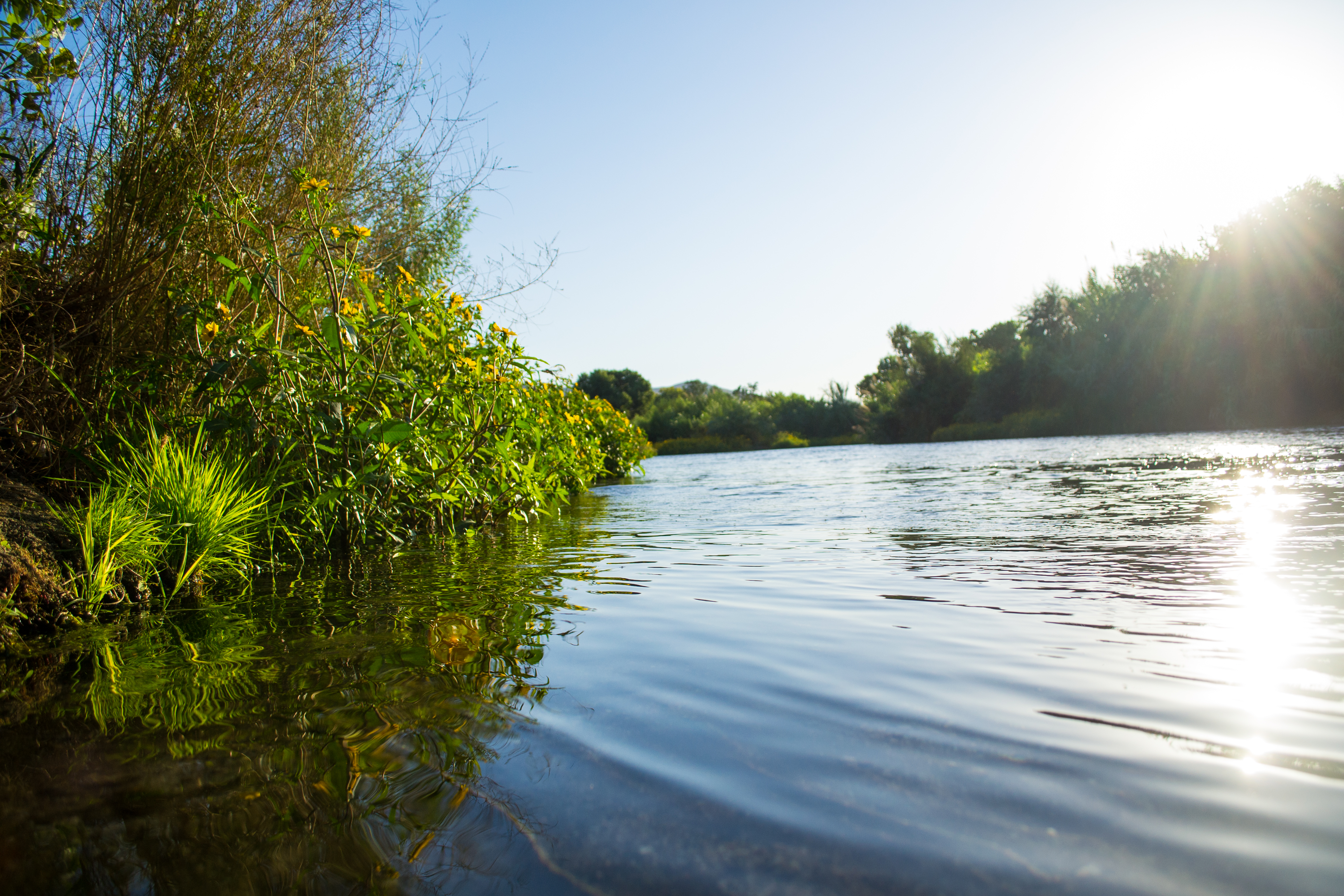
There is some open space and parks surrounding the Santa Ana River but much of the land remains undeveloped.
Finding its flow
The San Antonio River Authority has spent the last 15 years expanding its Riverwalk and introducing one of the nation’s largest urban ecosystem restoration projects. Identified by Mayor Lock Dawson as one of the inspirations for Riverside’s project, San Antonio has shown there are ways to develop around a stream that won’t harm its environment.
“Over the decades, we’ve come to learn we can actually have flood management and a healthy ecosystem coexist,” said Steven Schauer, director of external communications for the River Authority. “You don’t have to have one or the other. Then throw in the trails and it becomes a recreational amenity as well. It can be done and we're proving that.”
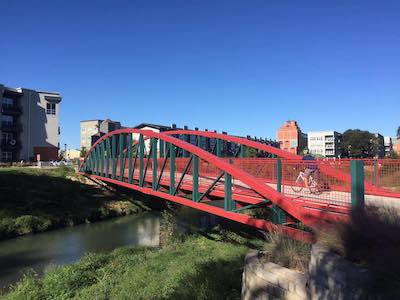
The San Antonio River Authority is nearing the end of a 15-year effort to revitalize the river and prime it for recreational opportunities. (Courtesy of the River Authority)
Indeed, San Antonio’s river environment is growing and flourishing. Schauer said they took a waterway that served only as a “drainage ditch” and transformed it back into a healthy, thriving ecosystem. SARA is now seeing the fifth or sixth generation of Guadalupe Bass, Texas’ state fish, which was native to the water but hadn’t been seen in the city for decades.
Not only was this project good for the natural environment, but San Antonio is now benefiting economically from completing these projects. Schauer noted their Riverwalk brought in more than $3 billion dollars of revenue annually through 11 million visitors and 30,000 jobs, before the pandemic. “They’re not necessarily cheap projects but we’ve shown the return on investment is enormous,” Schauer said. “So, they’re worth doing.”
But, the key to success, according to Schauer, involves recognizing the environmental factors at play early and gaining public buy-in.
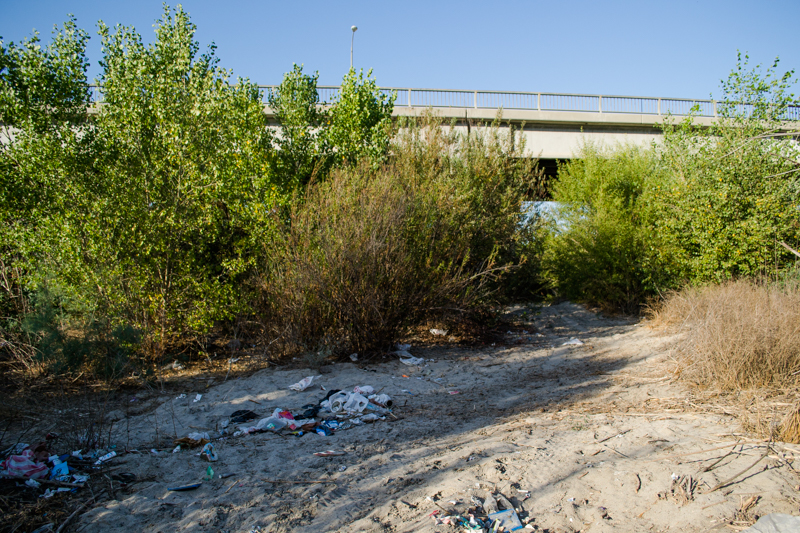
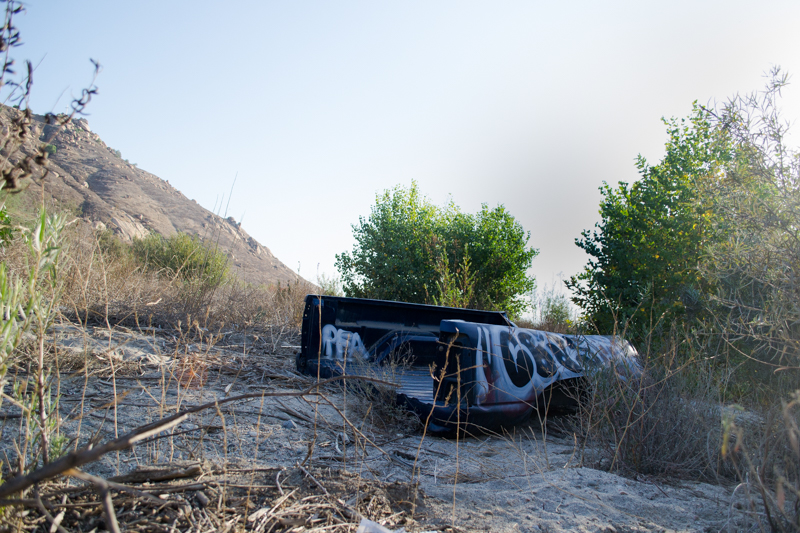
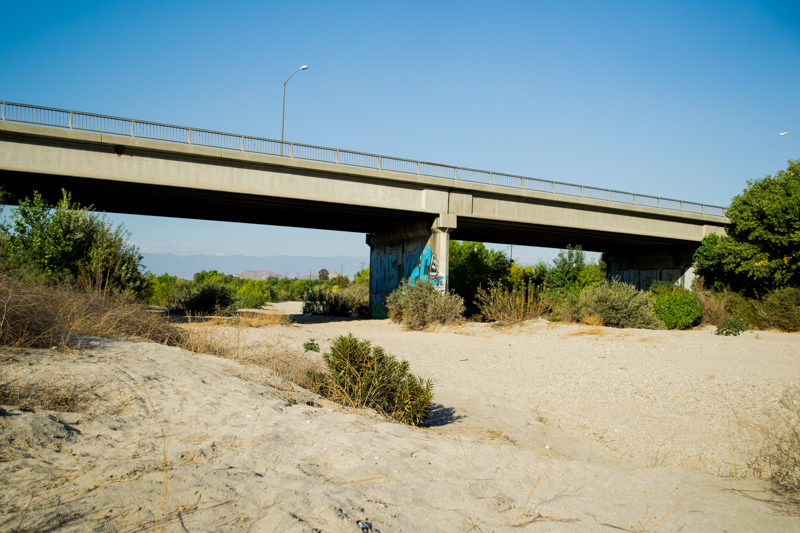
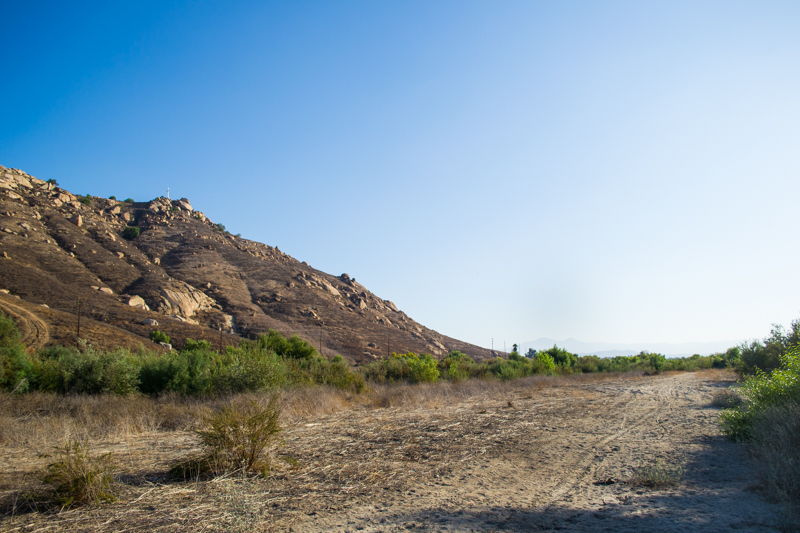
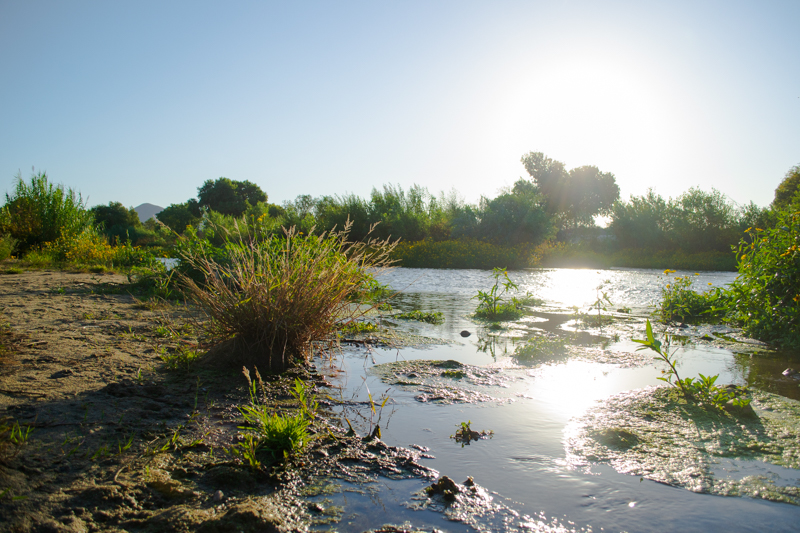
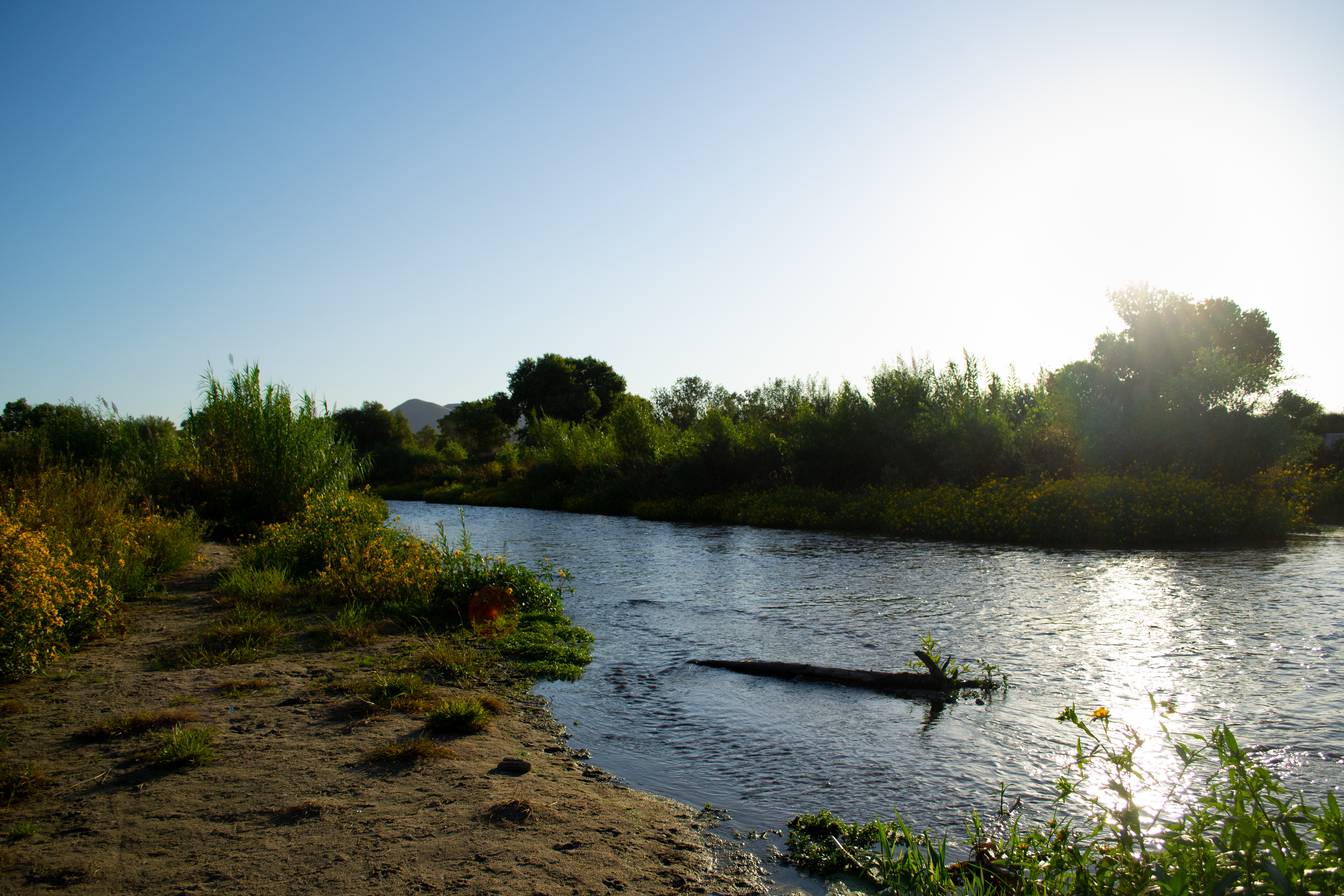
Hiemstra noted the city of Riverside’s current proposed plans for each site avoid riparian habitats, or the zone between land and a river, which serve critical ecosystem functions to help maintain the balance and water quality of the stream.
“This development could actually be a win-win if you do it right,” Hiemstra said. “The current plan is relatively low-risk to the environment. They’re taking parcels that are currently neglected and putting them to some type of use.”
However, projects on the scale of the River-side Gateway Project take time and money. Even with Lock Dawson pushing the project forward, it could take years to find the funding and finish construction, so she may not be mayor by the time the project is completed. But, she’s determined to establish the project’s momentum early so it can be fully realized.
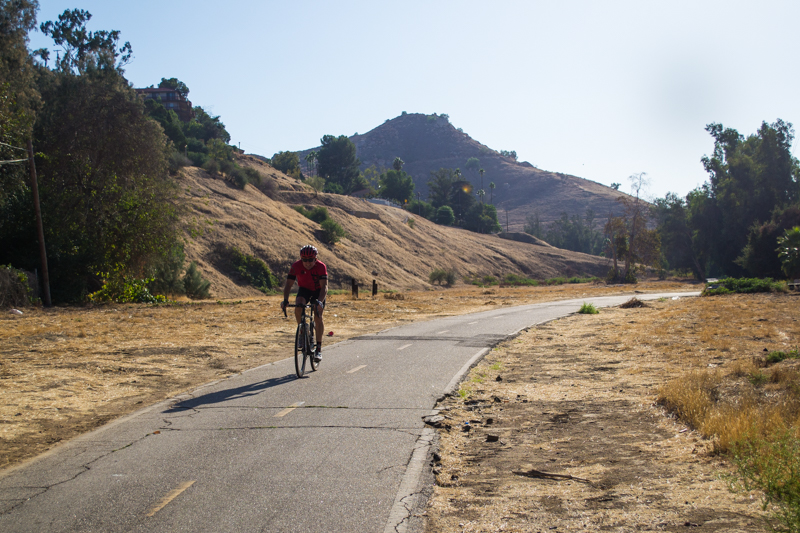
A biker pedals through the Santa Ana River Trail close to Fairmount Park.
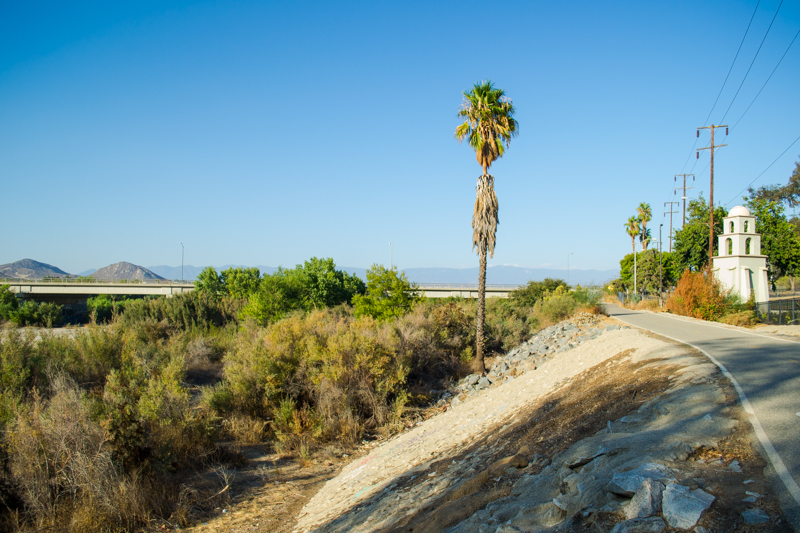
Part of the Santa Ana River Trail runs next to the waterway while some sections run next to undeveloped land.
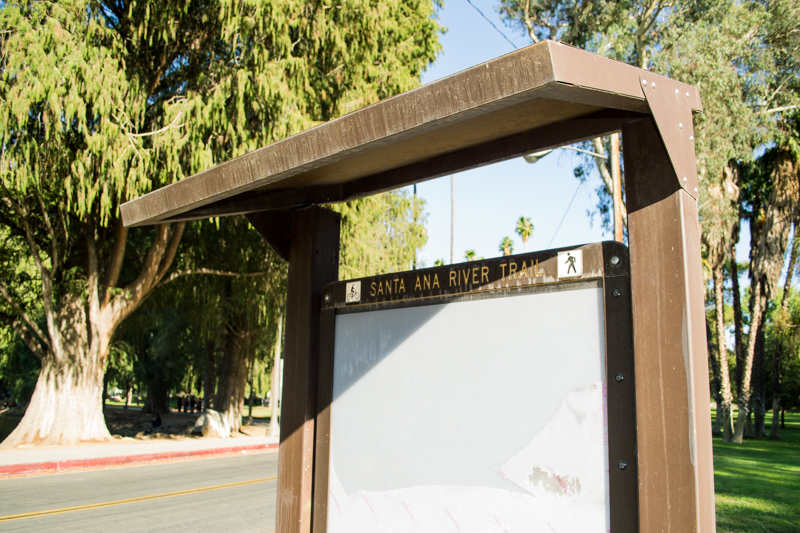
The original plan for the Santa Ana River Trail was to run from San Bernardino to the Pacific Ocean in Huntington Beach. However, many parts of the trail are neglected and there are still sections that do not connect.
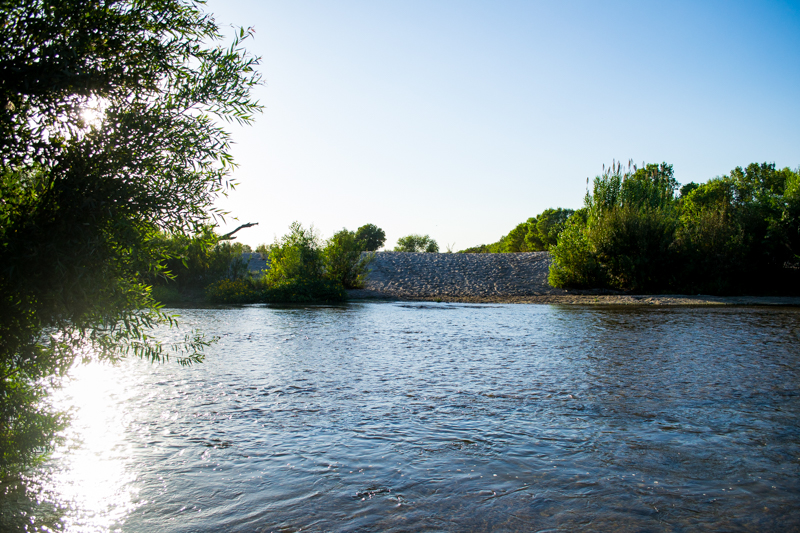
Certain sections of the Santa Ana River Trail offer horseback riding trails and bike trails for different types of recreation.
Paddling downstream
Though previous leaders have started various Santa Ana River-related projects, Lock Dawson’s background, experience and knowledge may be the right catalyst for success.
Lock Dawson has been involved with revitalizing the canal since the 1990s. She also led the Santa Ana River Partnership, a coalition of the cities, counties and nonprofits, and established the nonprofit Santa Ana River Trust in 2014. Now, as mayor, Lock Dawson has more authority to drive change.
“I’m very passionate about conservation and the outdoors,” Lock Dawson said. “It’s no secret that being connected to nature and being outdoors is vital for our mental and physical health. We need a place in our city where people can come together, convene outdoors and enjoy it.”
Former Riverside Mayor Ronald Loveridge began the work to create the Santa Ana River Trail, a bike path and trail that, once complete, will connect most of the length of the stream. He hoped it would only take a few years to complete but there are still gaps in the trail.
“They could not have a better elected official in terms of the river than Patricia,” Loveridge said.
But other cities along the tributaries, like Anaheim and Mission Viejo, are also planning similar projects and will likely be competing for some of the same federal or state funding Riverside might need.
However, if Riverside’s vision for the river sees completion, the next generation of people, families and children will be able to grow up exploring and enjoying the outdoors. Nothing will be able to restore the natural wonderland from Byrd’s childhood, but Riverside has the opportunity to create a space that could define Riverside’s future for the next three quarters of a century.
Lock Dawson believes “the river’s time has come.”