Society can be overwhelming. Crude political fights, pandemic discord, culture wars, inflation blame games — and that’s just on social media.
Outside the digital world, the pandemic upended so much. Unprecedented wildfires scorched California even as it wrestles with chronic droughts, while hurricanes and tornadoes are increasingly blowing through lives in various parts of the country. It is hardly surprising that one in six Americans said in 2021 that climate change is a serious threat they’re “alarmed” about. And yet we do little more than argue about it.
Click for bigger version
Beyond that, there’s the nation’s deadly drug epidemic and soaring economic inequality that has more people questioning capitalism itself. The nation’s social reckoning on race seems to have been interrupted by renewed fight over abortion, and both of those battles have Americans questioning the nation’s core institutions, like the White House, Congress and the Supreme Court. No wonder trust in the federal government is at an all-time low with just 2% of Americans saying they believe the government will always do the right thing.
Maybe that’s why, over the last few years, a growing number of people seem to be bailing out of mainstream society in search of better communities. Many outsiders might call them modern-day “communes,” even if most members avoid that term because of its generations-old baggage. But there is no doubt that many people join such groups in search of a more connected, collective and sustainable life in a simpler world they can believe in.
“In times of crisis, we tend to want to build community, and crises bind us more as communities,” said Cynthia Tina, co-director of the Foundation for Intentional Community, a nonprofit that works to support and connect the thousands of modern-day communes in existence today.
While it’s hard to track a movement, Tina said the foundation has noticed a significant increase in overall interest in intentional communities over the last few years.
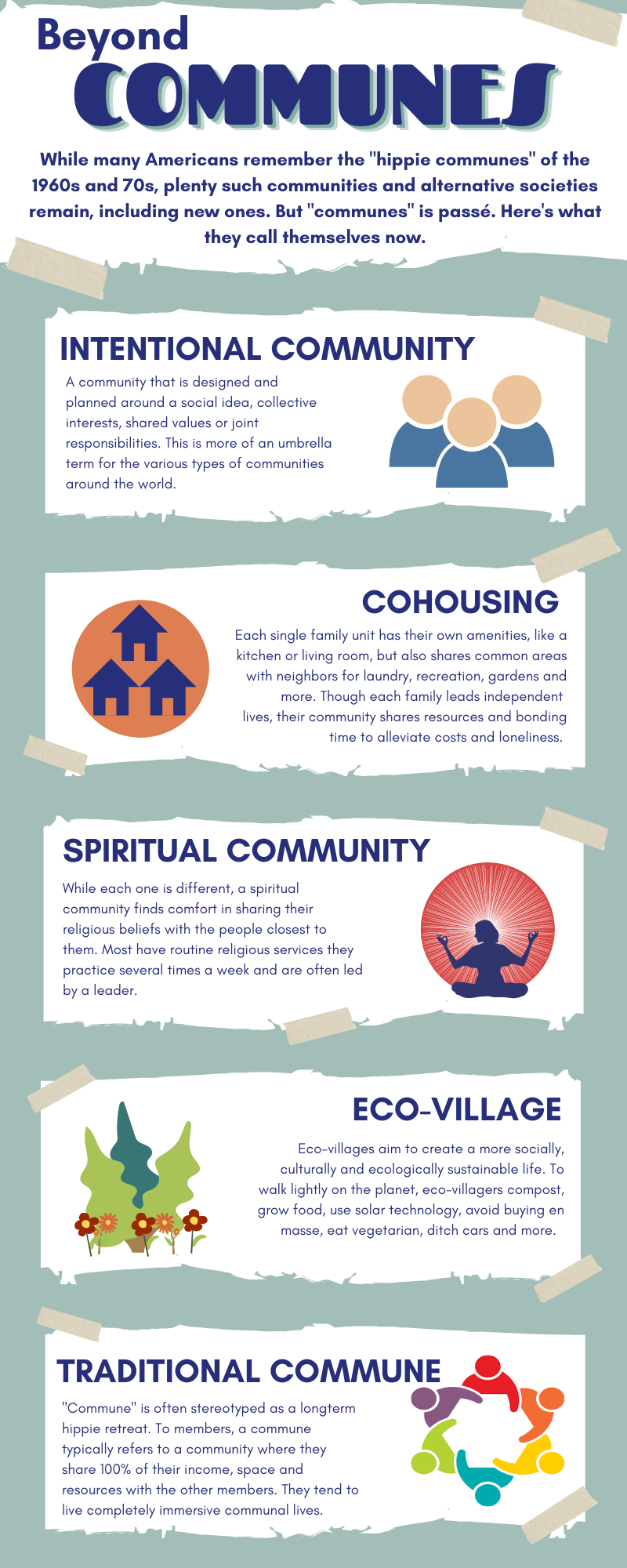
“Intentional community” is an umbrella term for today’s communes, cohousing, ecovillages and all types of groups purposefully living together.
The foundation’s global directory, which allows groups to list their community for people to find, typically adds about 50 new communities each year. But in 2021, amid the pandemic and shrill national divisions, the directory grew more than three times that much.
Plus, there’s the interest in the directory. Tina said that the foundation’s website traffic has doubled since 2019 due to people’s greater curiosity about alternative ways of living. “They are filling a gap,” Tina said. “People are not getting support somehow from the surrounding society, so they are choosing intentional communities to try and find it.”
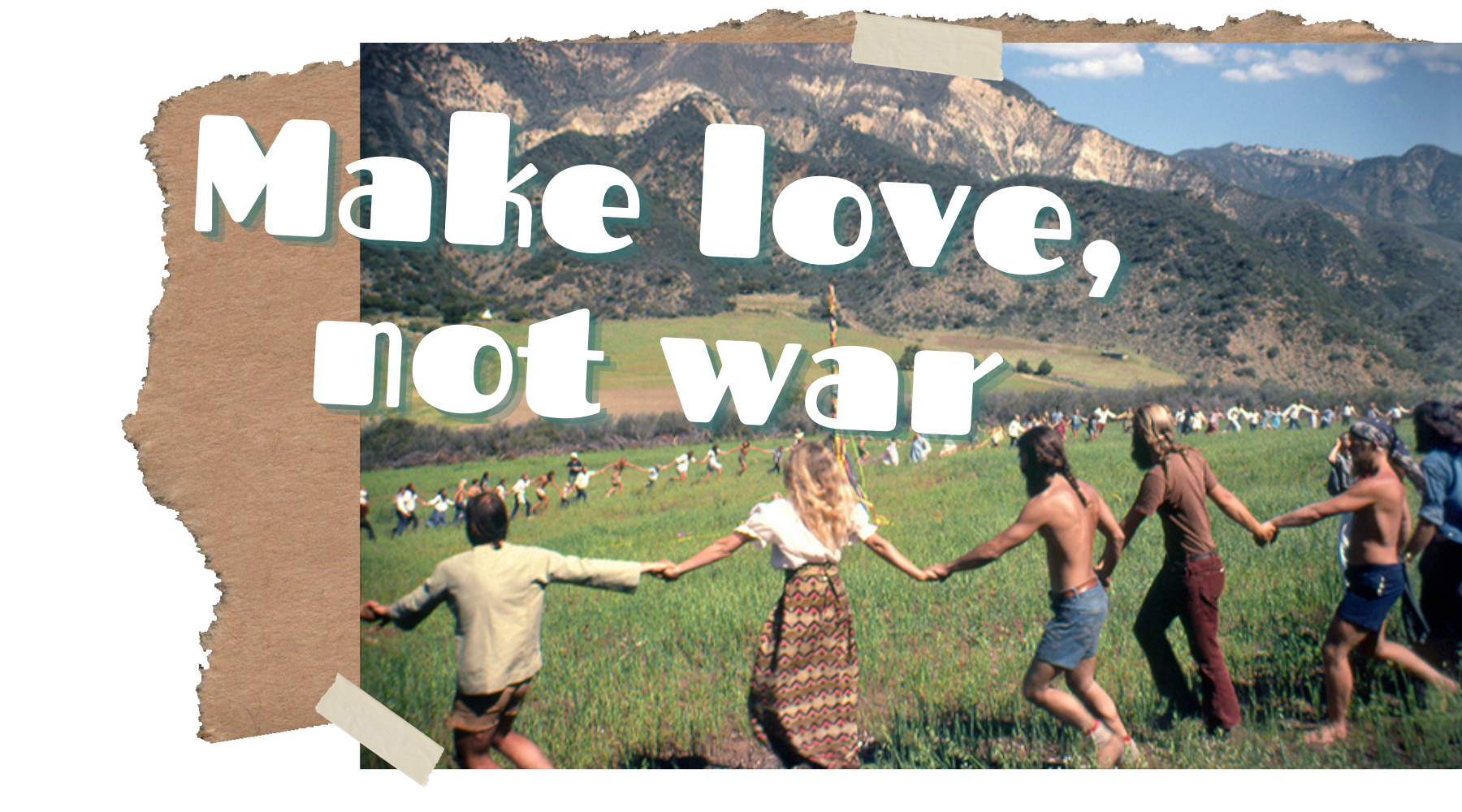
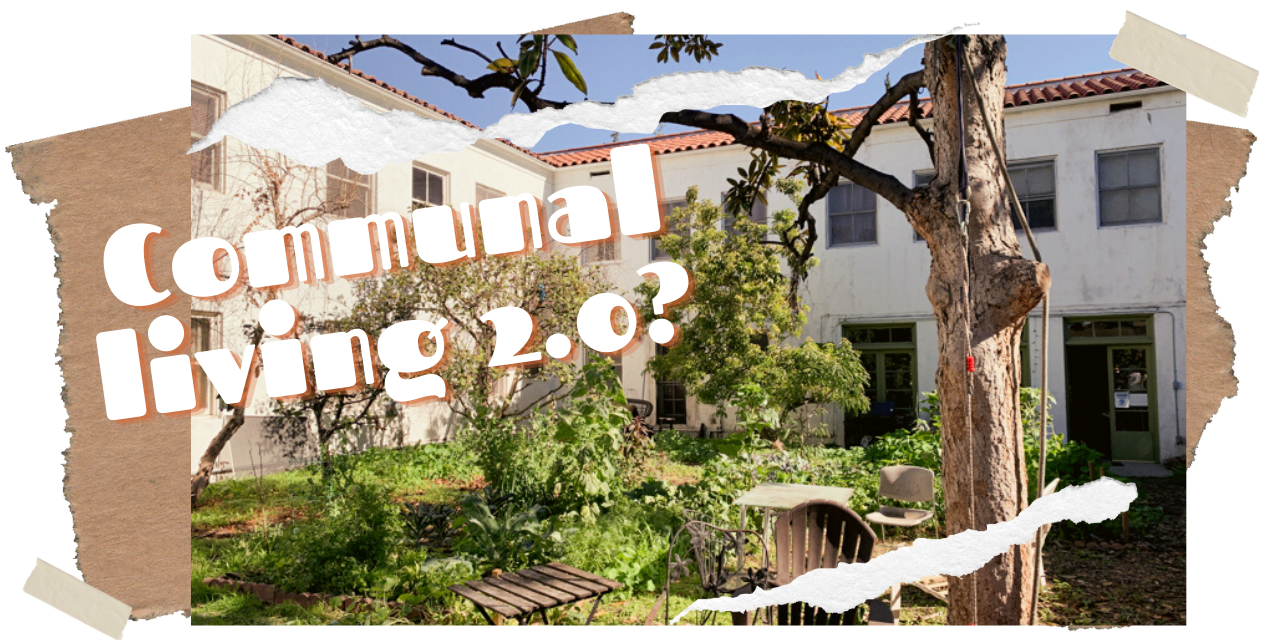
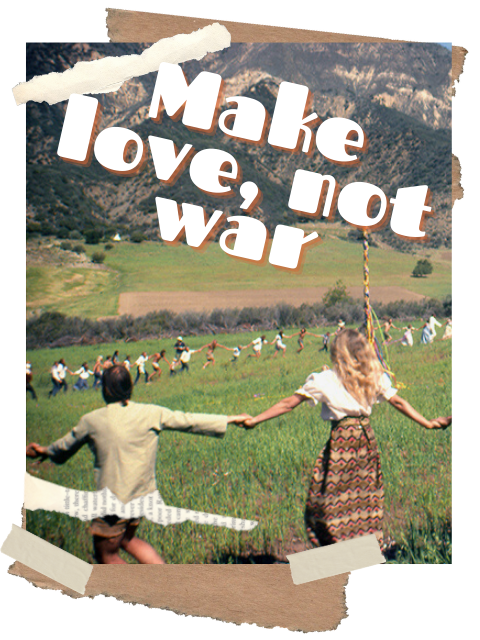
Some might call it commune 2.0. The hippies that grew out their hair and moved from trouble-plagued cities to the promise of utopias in the 1960s have been replaced by a new generation of hipsters, idealists and environmentalists.
Some of these next-generation freethinkers may be, to quote alternative lifestyle hippy guru Timothy Leary, “turning on, tuning in and dropping out,” but with modern twists.
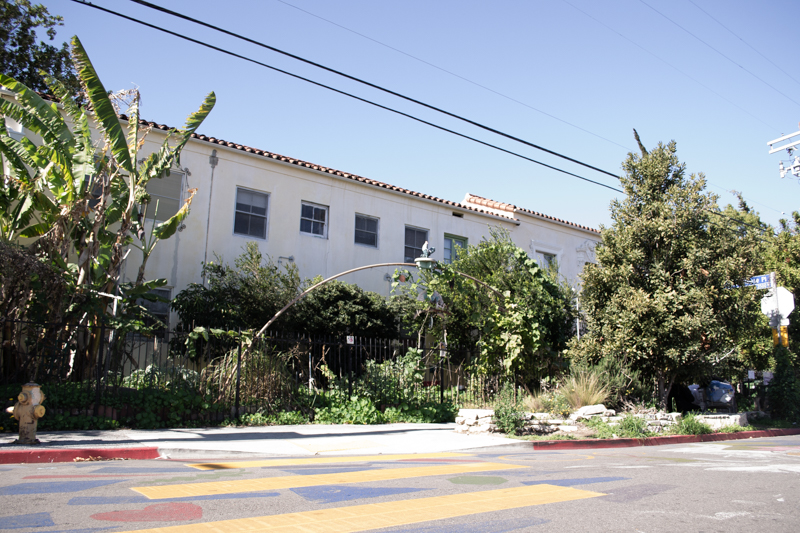
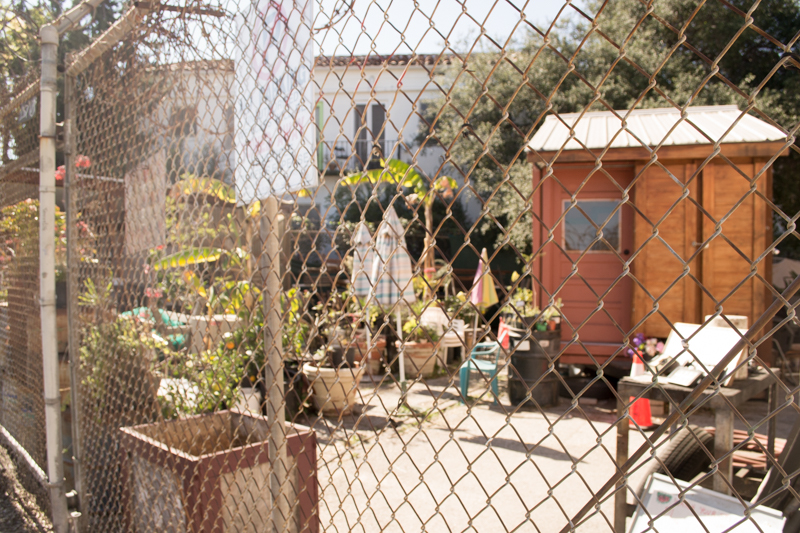
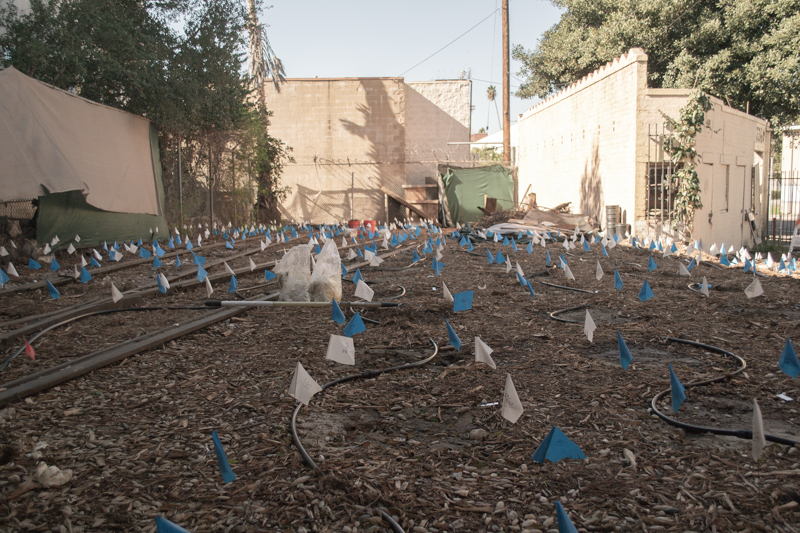
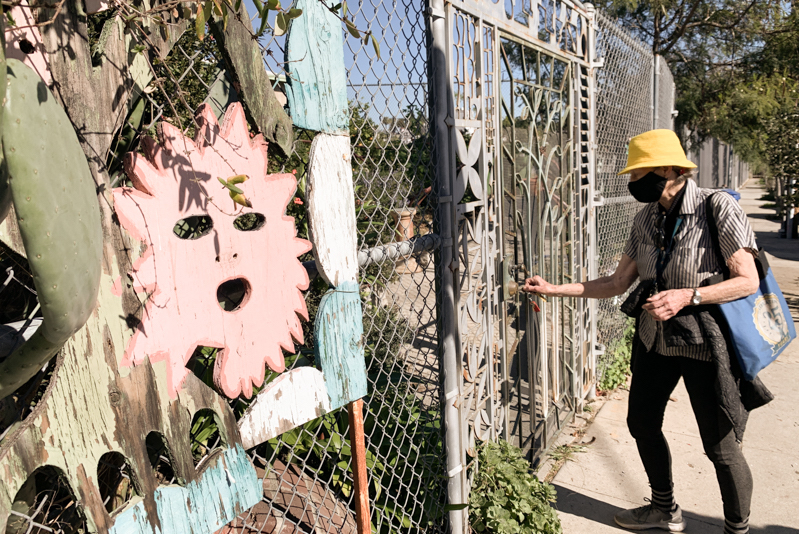
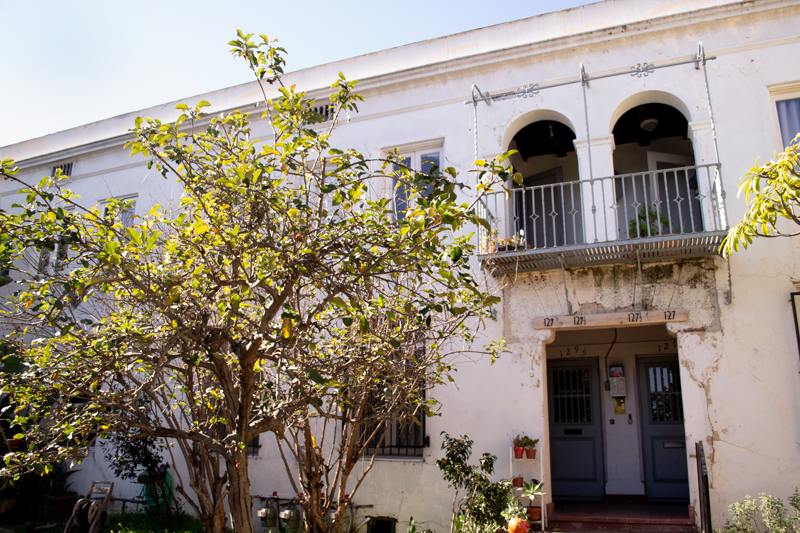
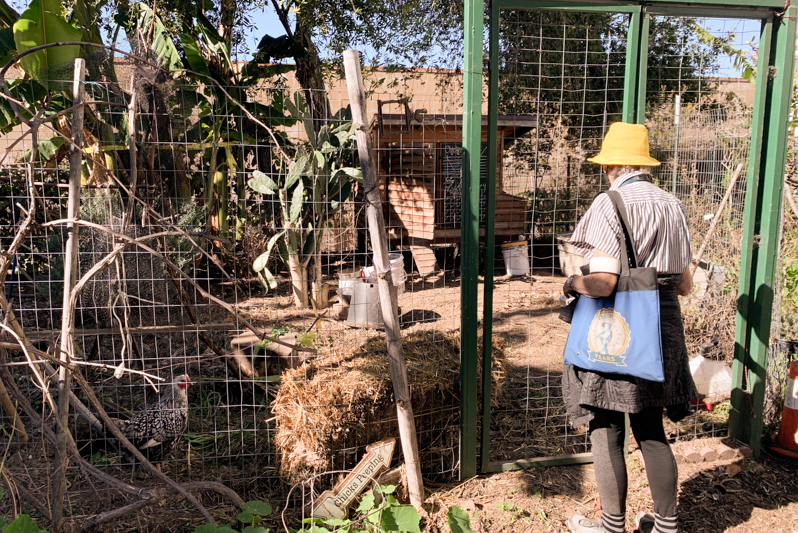
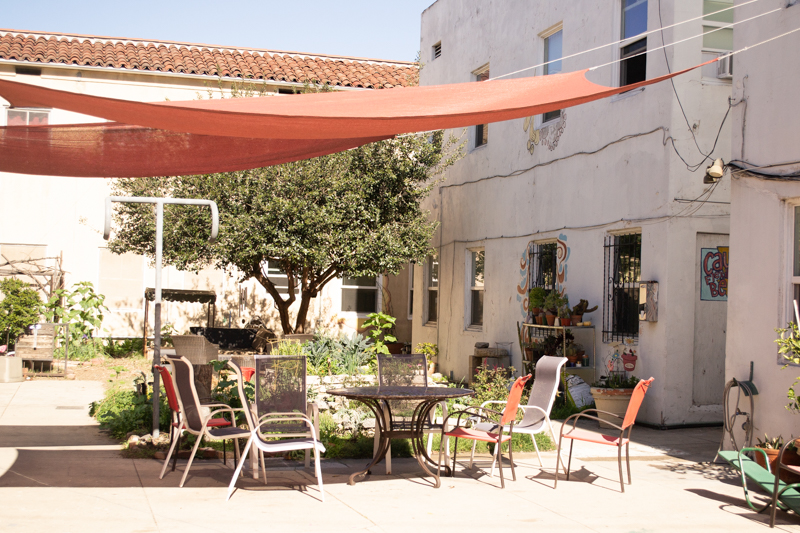
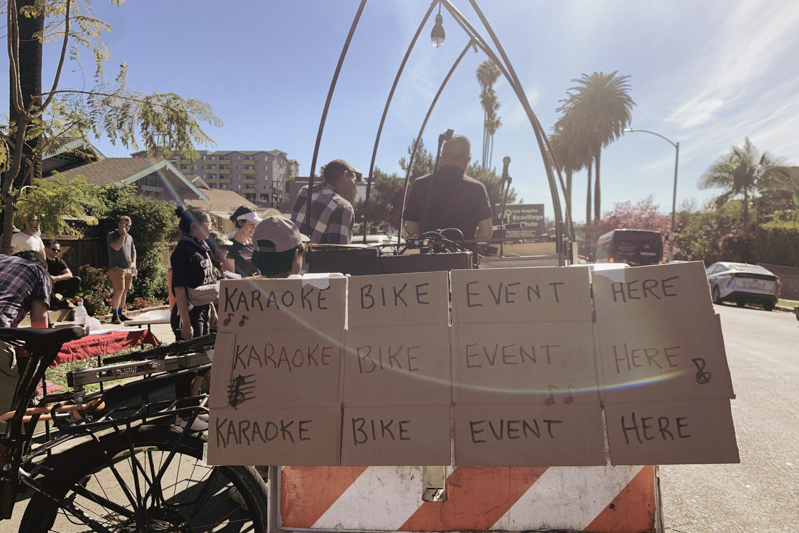
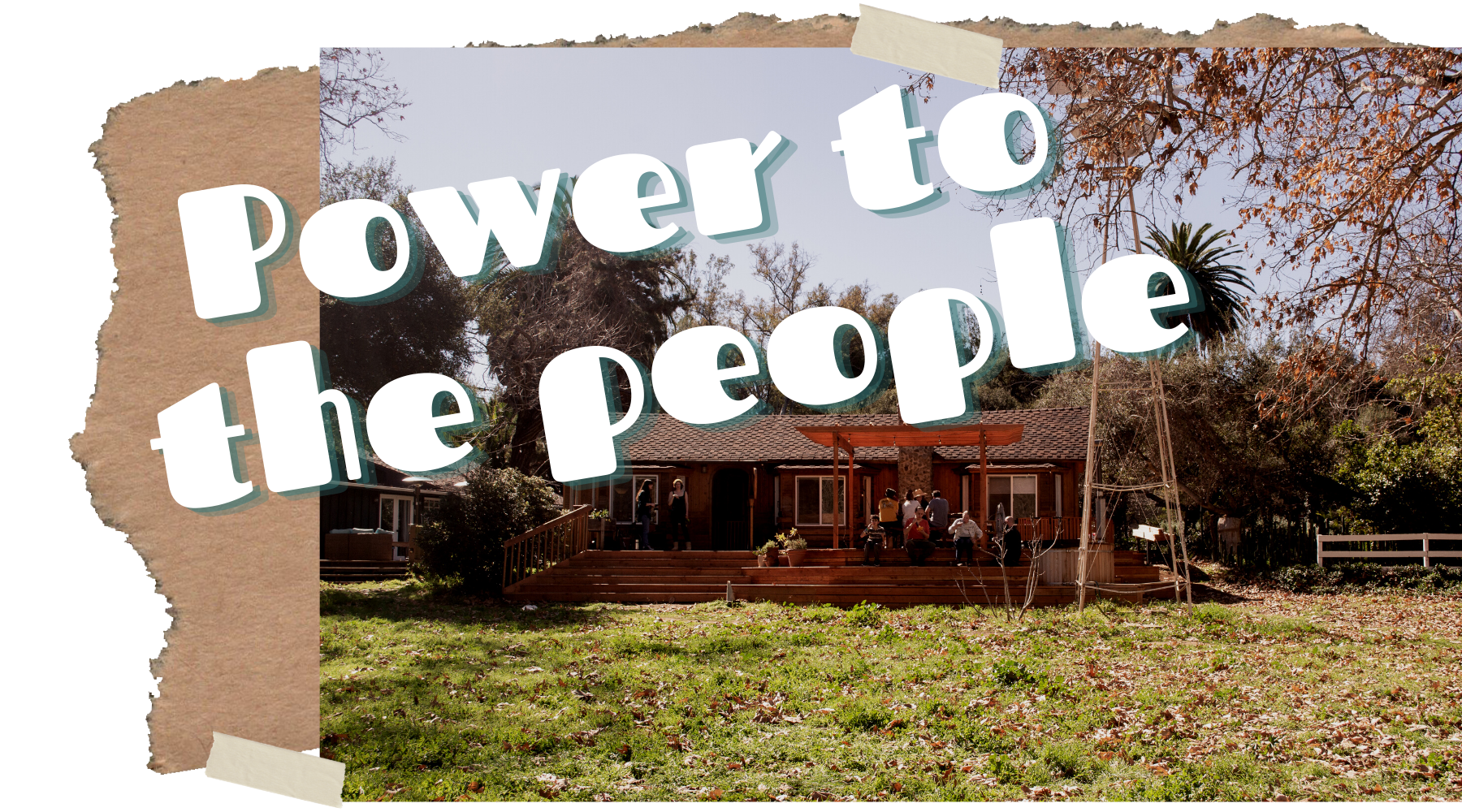
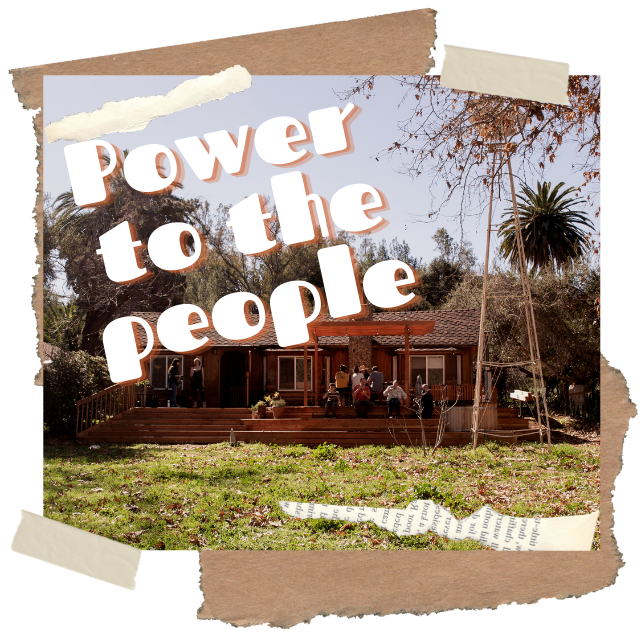
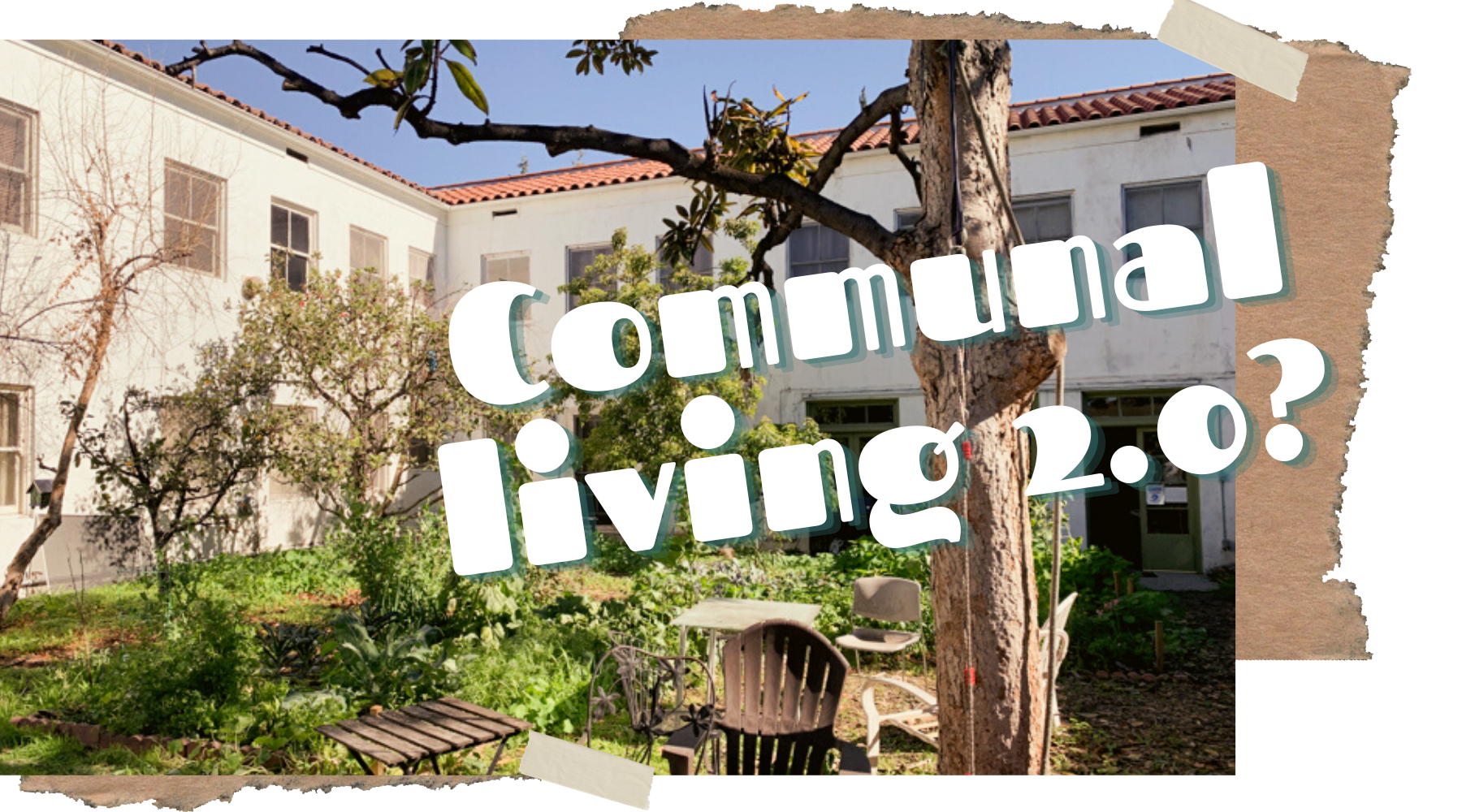
Members of the Los Angeles Eco-Village in Koreatown and the Emerald Village Observatory in San Diego County are just two of the thousands of intentional communities searching for more. But rather than fruitlessly looking for paradise and failing, these groups of mavericks are finding remedies for some of our most overwhelming problems.