
Foreign Correspondents under Surveillance
Ordos City, China has been called a modern ghost town and a failed utopia. Thousands of empty houses and unoccupied commercial buildings dot the landscape in the Inner Mongolia city known for its coal mines, Ordos was designed to house 1 million people, yet only 2 percent of its buildings were ever filled. The city is in heavy debt and allegations of corruption hound Ordos government officials, who are accused of forging numbers on official documents that showed an artificially high output to win promotions.
The Wall Street Journal's China correspondent, Dominique Fong, wanted to do a story this spring about Ordos’ economic development plans. She emailed her questions to the Publicity Department of the Communist Party of China in Ordos in the hopes of making some contacts in advance of her visit in March 2018. She flew from her home in Beijing and took a two-hour flight to Ordos, and settled into her hotel. The next morning three people showed up at the hotel, woke her up by constantly calling her phone and claimed that they were sent by their “higher official” to “help” her with the interviews.
Fong spent the next three days in Ordos trying to get rid of them. On her second day, the number of followers increased from three to six. They wouldn’t let Fong go out on her own and they refused to leave when she explicitly told them she didn’t need any help. Fong tried to hide in the Ordos airport and act like she was leaving, but they immediately followed her after she came out of the airport. Fong even called the Ministry of Foreign Affairs for help while she was being followed, but the foreign ministry said they couldn’t do anything about it. When Fong was interviewing people about housing projects, the people who were following her came up and knocked on all the doors until they found her. There was no way to escape.
“I was quite nervous at some point, I was feeling like I wanted to give up and I wanted to leave,” Fong said. Fong left Ordos after three days, learning the lesson that she would never send her questions and information over to the local government before doing the reporting again.
According to Access Denied, a Foreign Correspondents’ Club of China (FCCC) report on working conditions in 2017, 40 percent of respondents felt reporting conditions in 2017 deteriorated from the year before, compared to 29 percent in 2016. The report also shows that correspondents reported higher levels of concern about surveillance and invasion of privacy. The FCCC estimated that there are currently 600 foreign correspondents in China, a drastic decrease from 866 in 2009, according to the former chief spokesman for China’s Ministry of Foreign Affairs, Jianchao Liu. Hutzler said that it is more difficult to recruit reporters to come to China because of the pollution and the Great Firewall, a system that prevents access to websites deemed undesirable from the Chinese government.
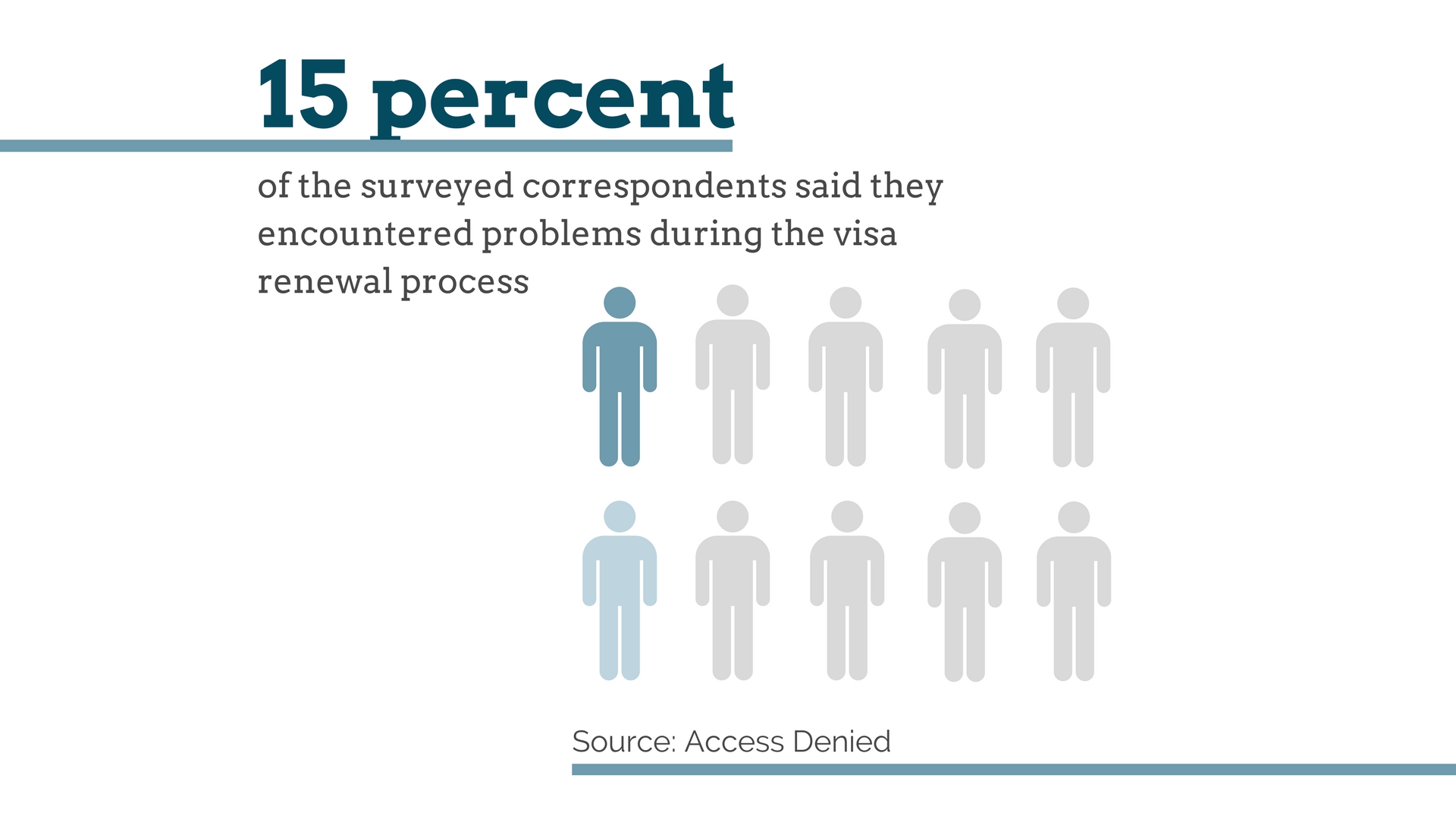
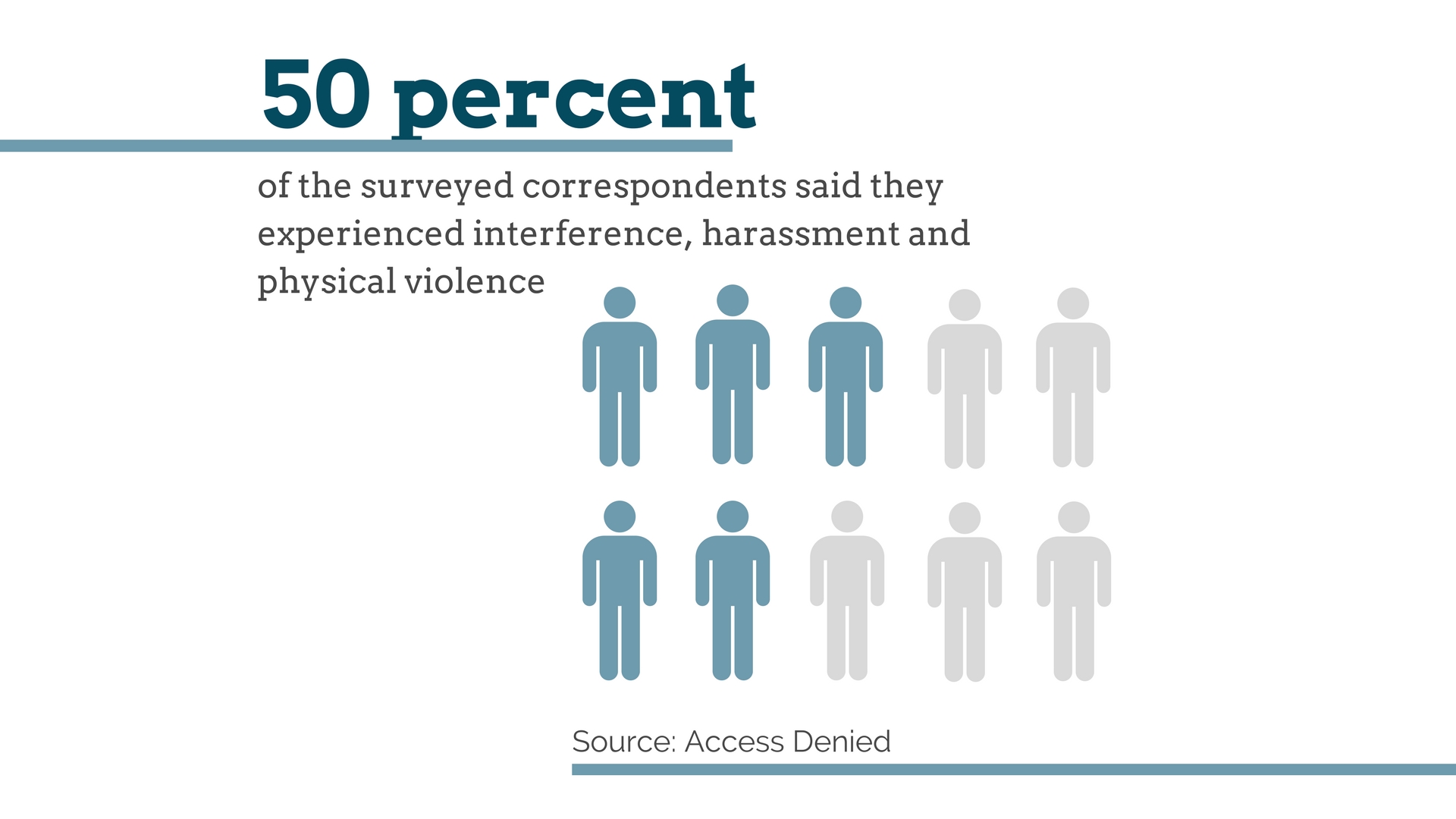
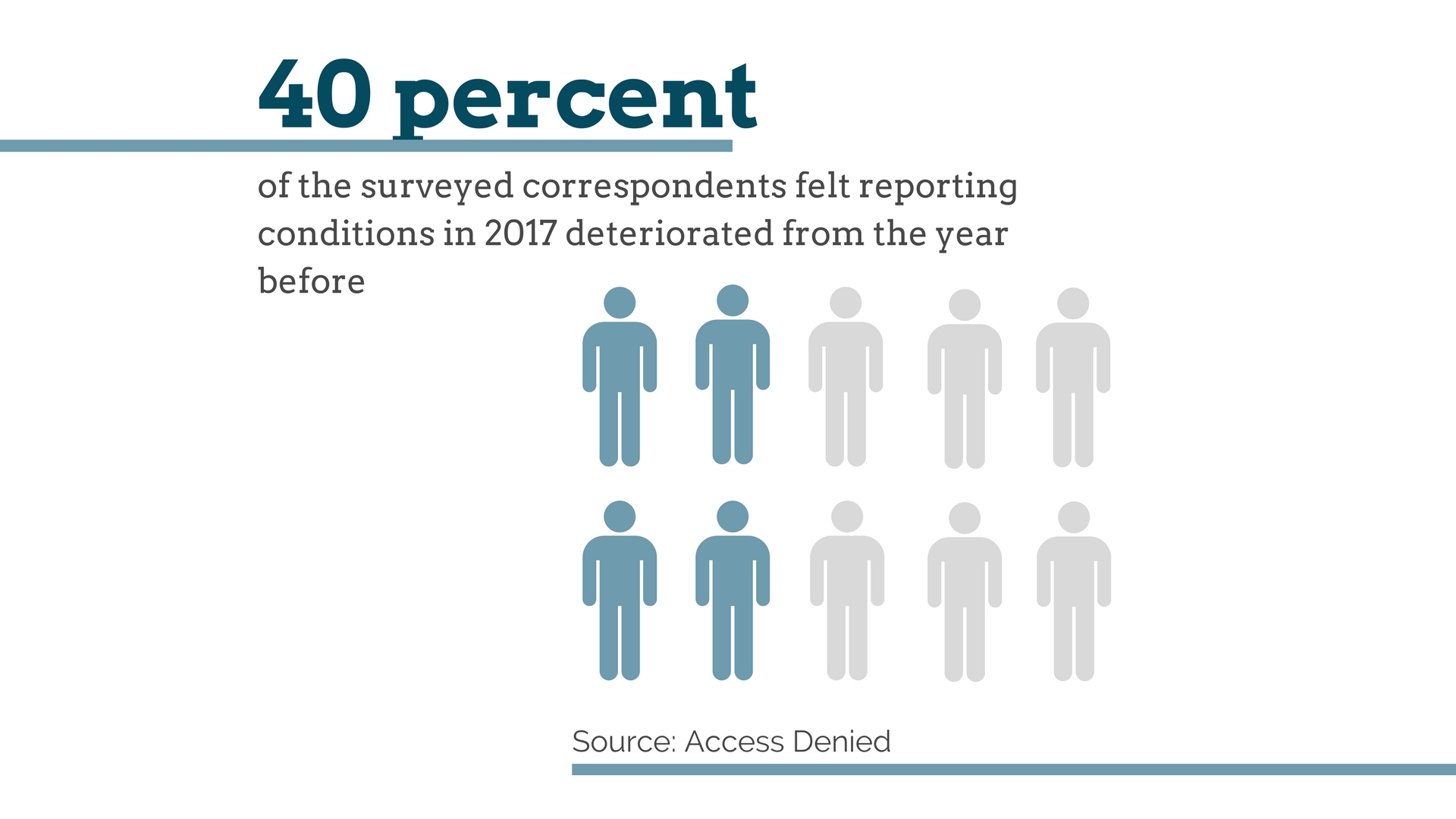
President Xi Jinping, who could potentially rule for life, is tightening ideological controls in China. On April 9, the government suspended a news-aggregator app called Jinri Toutiao (Today’s Headlines), with the country’s media regulator, the State Administration of Press, Publication, Radio, Film, and Television (SAPPRFT), accusing it of “opposing morality.” It is the first time China has shut down a news-aggregator app. Ironically, the government is now planning to abolish the SAPPRFT and is expected to set up a new media body answerable to the Cabinet, further tightening the government’s control of media and entertainment.
The restrictions on Chinese media threatens the ability of foreign journalists in China to their jobs, said Clayton Dube, the head of the University of Southern California's US-China Institute and the producer of Assignment: China documentary series on American media converge of China. He said what makes the restrictions particularly troubling is that foreign correspondents depend largely on Chinese journalists for story tips.
“One of the main sources of ideas (for foreign journalists) is to read Chinese publications and if those publications are more restricted than they used to be, the result is that the overall pool of information is diminished,” Dube said.
Restrictions on Chinese Internet are Tightening
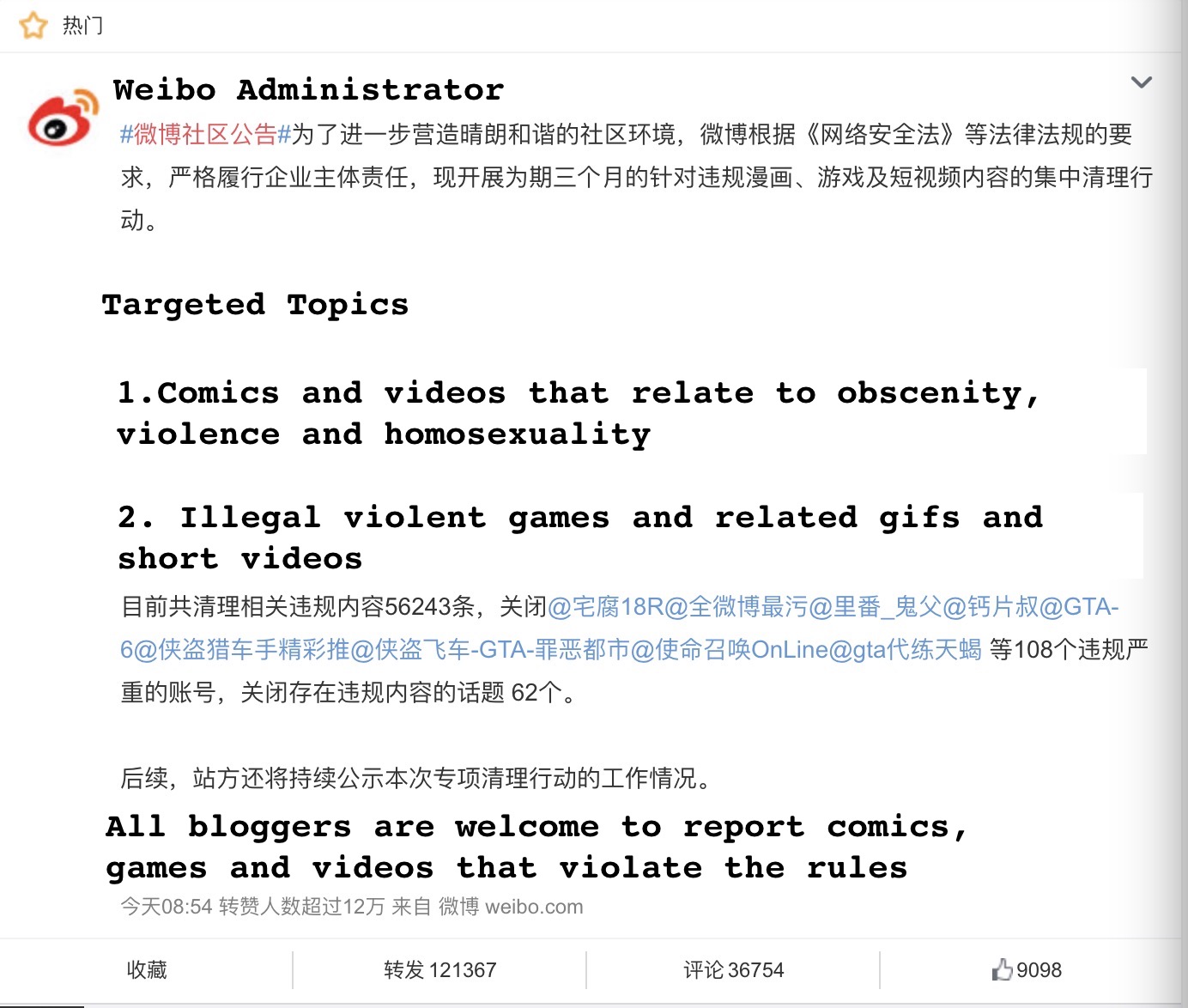
At the same time, the Communist Party has launched an intensified campaign to clean up the Internet, suspending anything that does not align with “core socialist values.” On April 13, Weibo, which is seen as China’s equivalent of Twitter, deleted 56,243 microblogs and shut down 108 accounts that post microblogs relating to topics including gay, obscenity, and violence. In the post, Weibo said the so-called “cyberspace cleanup” will last for three months. Three days later, the company lifted the gay ban because of the backlash from Weibo users.
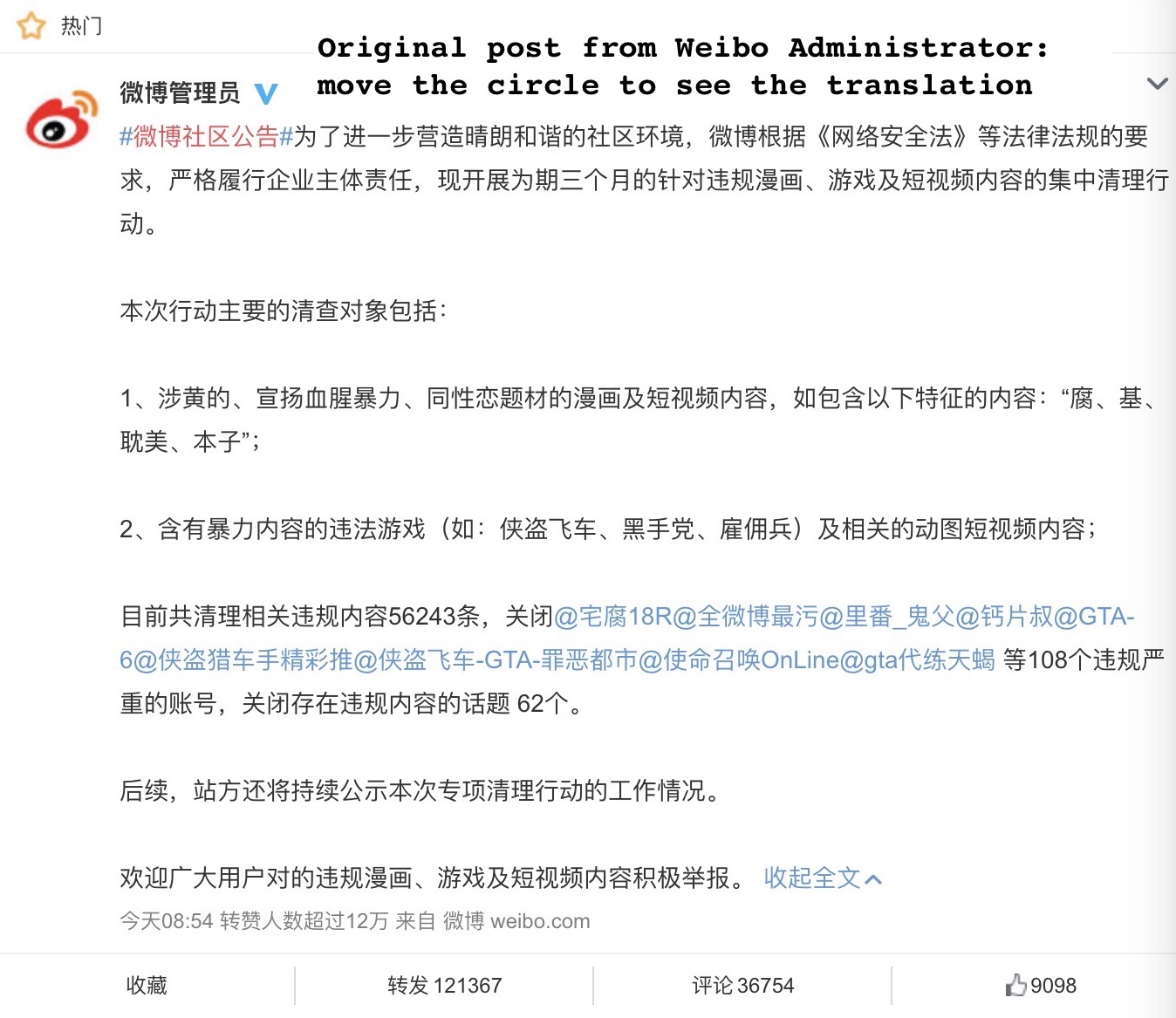
The Wall Street Journal Beijing bureau chief, Charles Hutzler, said that the Chinese government is now much more aggressive in trying to control information on social media, which at one point held the promise of freer expression than traditional media.
“10 years ago, it was possible to talk about a thriving, non-governmental organization movement with Chinese forming all sorts of societies and associations to try to raise awareness about issues like pollution and poverty.” Hutzler said. “Now more and more of those organizations have either barred or blocked directly under the government.”
The tightening restrictions imposed on the Chinese media make the foreign correspondents the only credible channel to connect China and the world.
“The ability of foreign reporters to operate here in the same way they operate in most countries in the world is important,” Hutzler said. “And if the government succeeds in shutting down foreign reporting, what the world will know about China is propaganda.”
CNN's senior China correspondent Mike Chinoy thinks that even though the working conditions are compromising for foreign reporters, it is still rewarding to report in China.
“I think the rise of China is arguably one of the most important stories of our generation,” said Chinoy, who is also a reporter for Assignment: China. “When they write the history book in 50 years, the rise of China will be the No. 1 or No. 2 most important thing.
Dube agrees with Chinoy. “China has one-fifth of the world’s people, so no matter what happens to those 20 percent of the world’s population is very significant,” Dube said. “What changes in China economically and environmentally has big ramifications, it is never more important to report what’s going on in China.”
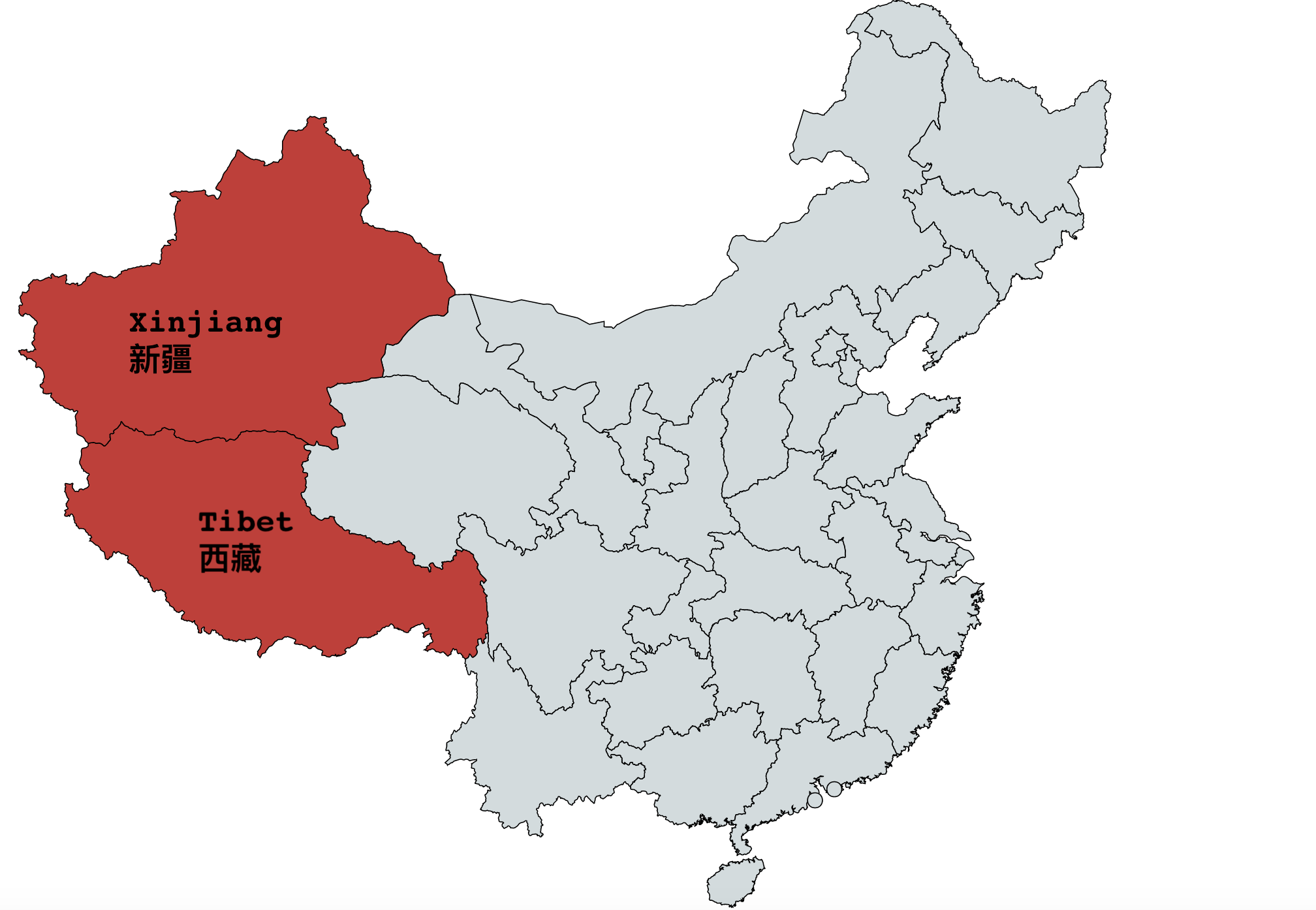
Although access to sources has always been one of the biggest challenges that foreign reporters encounter in China, Xi's updating the constitution makes this obstacle more serious than ever. Hutzler said that as the leadership of Xi promotes more propaganda directed at the public, people realize they can’t speak openly and publicly or voice opinions that are at odds with that leadership. What’s more, reporting on forbidden zones such as territorial problems with Xinjiang, Tibet, and Taiwan, anything that questions the supreme leadership status of President Xi or private lives of Chinese leaders, can cause great consequences.
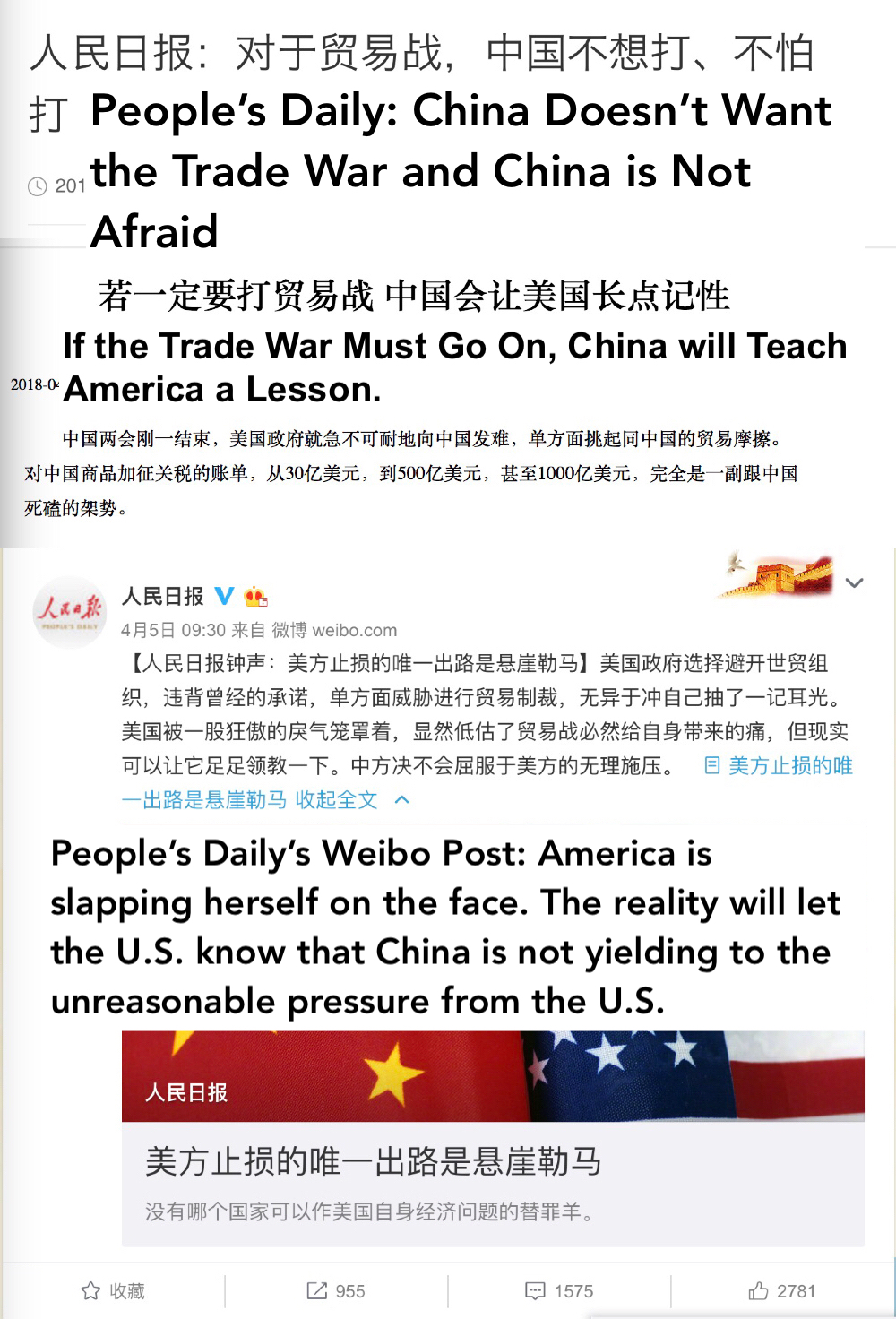
Despite the interferences from the government, the hostile attitude from the Chinese public toward foreign media poses a severe challenge on foreign reporters as well. As China and the U.S. seem to be escalating a potential trade war, Chinese government is directing more intense propaganda at the public and building a hostile attitude toward American media, calling President Donald Trump “foolish” to start a trade war, and promising that China will eventually “defeat” U.S. All the elements combined together are making it harder than ever before for foreign correspondents to report in China.
“They could very easily make it extremely difficult for most foreign media to work in public,” Hutzler said. “Because they can just have the plainclothes cop who could then just whip up the crowd and say, ‘There is a horrible foreign reporter’.”
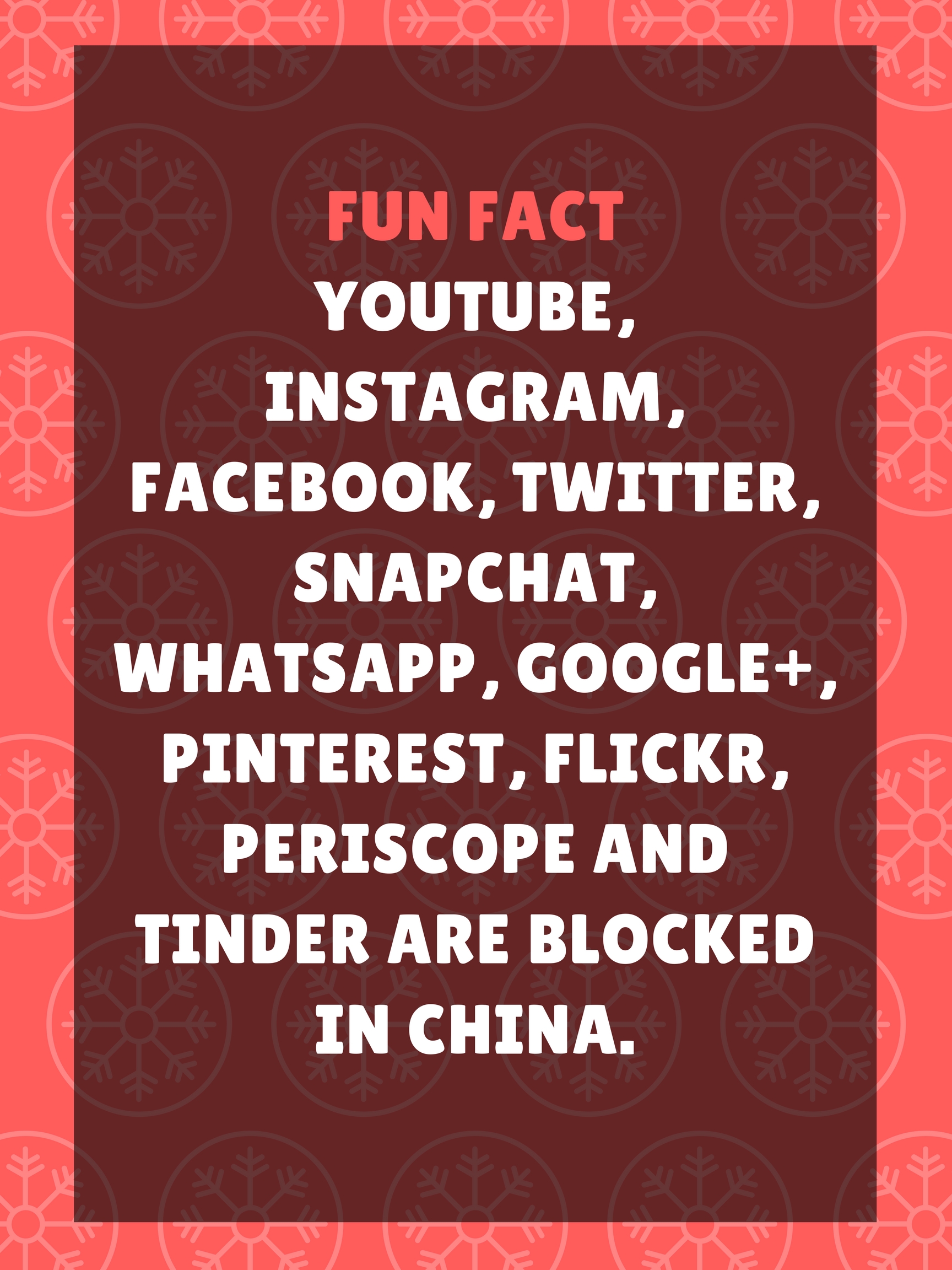
Welcome to the Block Party
The New York Times
The NYT, including NYT Chinese has been blocked since 2012 after reporting on wealth of Wen Jiabao’s family.
The Economist
The Economist was blocked in 2016 as a result of cover articles in the magazine critical of the growing power of President Xi Jinping.
Bloomberg
Bloomberg’s news websites were blocked after it issued a story about the finances of the extended family of China’s prime minister.
The Wall Street Journal and Reuters
The Chinese websites for Wall Street Journal and Reuters have both been blocked by the Great Firewall of China. Their English-language sites are still reachable.
CNN
CNN was blocked in China after reporting on The Panama Papers, suggesting the corruption from the leaders in the Chinese government.
The Guardian
The Guardian was blocked in China after revealing the relatives of the top leaders in the Chinese government are making use of offshore companies in the Caribbean.
Accessing Sources as the Biggest Challenge
Government Inteference
CNN's Chinoy said that he wouldn’t call the restrictions on foreign media “censorship.” If foreign correspondents find a story in China, they can always find a way to get it out. The Chinese government can’t vet the story or stop the foreign journalists from emailing the story. Chinoy said control is in the process rather than in the transmission. This makes access to sources the biggest challenge for the foreign correspondents in China.
“The pressure is definitely stepping up under Chinese President Xi Jinping,” said Keith Richburg, the director of the Journalism and Media Studies Centre at the University of Hong Kong and a former China correspondent who had spent more than 30 years overseas for The Washington Post. “President Xi has basically made a point to, he doesn’t really need foreign reporters around. He definitely is trying to curtail a lot of the very limited freedom we think we had in the beginning.”
Bill Ide, the Beijing bureau chief at Voice of America, shared a story in the FCCC report. During a visit to Shenyang in 2017, he was followed by a group of three to four unidentified individuals. They stood closely beside Ide when he was conducting interviews on the street, then later followed him to his hotel, on the metro and pretty much wherever he went. “They did not interfere with my work directly, but made it almost impossible to get anything done,” Ide said.
Giulia Marchi, a contributor photographer based in Beijing for The Washington Post and New York Times, said in the report that in June 2017, he was held by police in Tianjin, China for five hours as he was trying to get pictures of a government facility. A couple of policemen threatened him with a cancellation of his J1 visa, which is a long stay visa for resident journalists. They also said that maybe they would change his visa from J1 to J2, which is the short stay for those who are visiting for short-term assignments.
Hutzler has been reporting in China for 25 years. He believes that one of the biggest challenges when reporting in China is the inaccessibility to sources, especially government officials.
“What they don’t really know how to do is to talk like a real person, they talk in official languages,” Hutzler said. “By and large, it’s pretty robotic”.
Hutzler said that it is almost impossible to find any government officials or experts in China to comment on the constitutional change that happened in 2018, and it is extremely difficult to get Chinese scholars to go on the record because they are worried about retaliation if they take a position that is different from the leadership.
“We work very hard to get people to go on the record.” Hutzler said, “It was impossible to get people to say anything different from the government’s opinions.”
Wei Zhou, a BBC World Service Producer, encountered obstacles from the government as well. Zhou was working on a video documentary about a senior government official in Beijing in 2016. Since the story was so sensitive, Zhou was having a hard time finding people to interview. After making calls, Zhou finally secured two interviews in Chongqing. Zhou, along with her documentary team, flew to Chongqing the next day for the interviews.
However, 10 minutes after Zhou and her team landed, she got a call from one of her interviewees. He told Zhou not to come because he was warned by the propaganda department.
“I am not allowed to do interviews with you,” said the interviewee.
Zhou didn’t give up. She proposed to meet him herself since she is the only native Chinese person in her team. The interviewee said yes. However, five minutes later, he called again saying he can’t even meet Zhou alone.
“Do you know what happened?” asked Zhou, “Within that five minutes, somebody called him again, that means someone is monitoring my phone all the time.”
Zhou had no luck with the second interviewee, either. The night before the team met him, he called Zhou and said he won’t be able to meet her. Zhou learned her lesson this time, she decided to drive to his place the next day without informing him. It didn’t help. While she was on her way, the interviewee texted her and told her not to come, saying that she was under strict surveillance since he got a call from the government, preventing him from doing the interview.
The government also told him the name of the highway that Zhou was on at that moment. Zhou was scared, and she turned off her location sharing instantly.
“The surveillance is beyond imagination,” Zhou said.
Hutzler said that he sometimes has “moments of great frustration” because of the interference of the authorities.
“We still see people that we interview subject to retribution at the hands of the authority,” Hutzler said. “People who are brave enough to speak out sometimes suffer consequences, being detained, or even worse, being in prison for a long period of time.”
Trump’s Role in the Image of Foreign Media
U.S. President Donald Trump has been using the term “fake news” toward multiple news outlets including CNN. Chinoy said that Trump is making the situation worse.
“Trump is legitimizing the idea of ‘fake news,’” Chinoy said, “When he is attacking CNN for fake news, then the Chinese government can attack CNN for fake news.”
Hutzler also said that Trump is playing a negative role by discrediting the media.
“When Trump delegitimizes the media and the role of the media in the United States to serve as a watchdog, it just makes it easier for Xi Jinping and other autocrats like Vladimir Putin to impose harsh measures on the media there.”
At the same time, the potential trade war between the U.S. and China made the situation worse. In April, the United States announced new tariffs on $50 billion worth of Chinese goods, and China responded within hours by announcing $50 billion worth of tariffs on U.S. goods. The potential trade war escalates the hostile attitude from the Chinese public toward foreign media, especially American media because the Chinese government is directing propaganda at the Chinese public.
“I could see the atmosphere getting worse, particularly for American media,” Hutzler said.
Native Chinese News Assistants Facing Greater Danger
According to Access Denied, over 30 percent of respondents said their Chinese colleagues had been pressured, harassed or intimidated in 2017. Foreign correspondents in China rely heavily on native Chinese news assistants. Under Chinese law, native Chinese can’t work for foreign media as independent journalists, but only as researchers or news assistants. A Wall Street Journal news assistant his job is to arrange interviews and gather background information for foreign journalists. He just worked on a series of stories about the social surveillance in China, but he couldn’t have a tagline because of the government’t policy.(As The Journal's policy, he would only speak about his role at the papaer on the condition that his name not be used.)
“There is a news assistant who has worked for The Journal for 17 years and she can have a tagline because the government officials know her already.” he said. “She has been ‘invited for tea’ so many times that the government is familiar with her.”
Being “invited for tea” by authority means being issued a warning or urged an adjustment to certain behaviors. Richburg said his assistants got “invited” many times from the government.
Matthew Carney, the North Asia correspondent from Australian Broadcasting Corporation, shared his crew’s experiences in the FCCC report. His crew was detained while reporting at Dandong Port area in China, and the Chinese colleagues were harassed and told that they were traitors to their country because they worked with a foreign journalist.
“We really worry about our translators and news assistants who are the Chinese locals who are working for us,” Richburg said. “Because the most that can happen to us is we get kicked out of the country, but for them, they live in China so they can be arrested.”
One of Richburg’s assistants, who is from China, was arrested briefly for doing reporting in Xinjiang, China. After she got arrested, the authorities called her parents in her home province and warned them to keep their daughter out of trouble. Another one of his assistants in Shanghai was not able to rent an apartment because every time she rented an apartment, the landlord would come by later and tell her to move since “they are not allowed to rent to her”.
Ways to Get Around
Let the Government Know What You are Up To
The Wall Street Journal got accredited to attend the 19th National Congress of the Communist Party of China in 2017, a twice-a-decade meeting that reshuffles the central leadership in China. Hutzler described the process of accreditation as “much more complicated than the previous years.” Outlets including The New York Times and the BBC say they were excluded from the event. The Financial Times, the Economist and the Guardian were also prevented from attending. The Journal was not only being accredited to attend the congress meeting, it also got a separate invitation to meet the new central leadership after the congress meeting, which not every foreign media could get. Hutzler said he believes the reason is that The Journal keeps the government informed about what it’s reporting on.
“We always let them (the government) know what we are reporting about,” Hutzler said. “Before writing about Xi Jinping, we always send the government information office a list of questions and say, ‘You know, we are going to report on these things, and what’s your comment on all of these aspects.’ So, we are not hiding from them what we are doing.”
While maintaining a good relationship with the government, Hutzler always puts the safety of his sources as his priority. Hutzler believes that by doing so, reporting gets better, more well-rounded and fair.
“We always protect our sources, we never tell the government we know such as such person is telling us this,” Hutzler said. “But we do let them (the government) know the substance of what we are reporting on so that they have a chance to comment.”
Build Trust with Interviewees
A video showing Anthony Khun, a reporter based in Beijing for National Public Radio, asking a question at a government press conference on March 6, 2017, went viral on Weibo. Khun asked a question about the new economic plan for the merchants who are relocated at the outside of Beijing and the residents that are living in the “poverty belt” around Beijing.
“How much money is the government going to compensate the merchants, when is it going to be given out?” Khun then went on talking about the residents, “A lot of residents find it hard to believe that in the 13 years between now and the time when this plan is supposed to be put in place, that their poverty will be resolved. What do you have to say to these people?”
This clip was put online and immediately went viral because Khun asked this question in unaccented Chinese. Less than a day after the clip was posted, it had been viewed 500 million times and generated more than 3,000 comments. Most of the comments are compliments about Khun’s flawless Chinese and the question he asked.
Khun said that he maintained a good relationship with the Chinese government. Khun believes that the most important thing for any journalist in any country is to get the interviewees’ trust. Before interviewing his sources, Khun always informs them who he is, how long he has been in Beijing and what NPR is.
“I think, at the very least, you need to reassure that you are not going to sell them out, you are not going to burn them, you are not going to misrepresent them and not gonna make stuff up,” Khun said. “Also, tell them that we are accredited by the Chinese government. It’s legal for us to be here, it’s legal for us to speak to people.”
Like Hutzler, Khun puts his sources’ safety first.
“As a reporter, sure it is important to get the truth out, but I don’t think it’s worth it to get people in trouble,” Khun said. “If they feel like they can’t talk to me, that’s ok. I am not going to force it, I will find someone else.”
Young Chinese on the Rise
Khun observes a positive trend in young Chinese toward foreign media. Khun said they tend to be more open and know that getting some media coverage can “help them out personally.”
“They understand that you need foreign reporters to invest, to be able to travel and to have an informed, participatory society,” Khun said.
Dube described the public’s backlash on Weibo’s gay ban as a generational thing. He described the current generation as “digital native,” who only uses social media instead of reading newspapers. Young people in China are not hung up on homosexuality culturally in the same way that their parents or grandparents were, and their strong presence on social media forced Weibo, who get directives from the government, to take a step back.
“The young people are thinking, ‘How is this a state issue’, so they pushed back.” Dube said. “Young people are saying, ‘it might be your problem but don’t try to make it my problem.’”
Dube believes that the dissents on Weibo from the young people might be the major reason why Weibo reversed the gay ban. Dube said that the pushback speaks to the fact that there are limits to where the party will try and there are limits to what people will tolerate.
“The government might think, ‘we didn’t think the young people would care but they seemed to care, so we are going to back down’,” Dube said.
What's Next?
The possibility of President Xi staying in power indefinitely would suggest a positive change of reporting conditions is not going to happen anytime soon.
Stanley Rosen, a USC professor of Political Science specializing in Chinese politics and society, believes that Xi’s control in the future will pose a challenge to foreign correspondents reporting in China.
“Foreign correspondents have always been closely monitored,” Rosen said. “And this will make it even less likely that Chinese people will want to speak with them or, if they do, be quoted on the record with their real names.”
Dube said that what he expects for the China correspondents is more of the same.
“There is no reason for optimism, none.” Dube said, “The government has steadfastly insisted that this is something it considers an existential question that they need to be able to tell their stories and to not having dissenting voices.”
Dube thinks that the main impact of the lack of freedom of speech in China comes in the notion of sovereignty over the internet. Although the Chinese government is pushing hard the notion of internet sovereignty, because of the ways everything is intertwined on the net, this becomes very contentious.

“One possibility is that the lowest common denominator, the most restrictive rules wind up becoming the base,” Dube said, “that China’s rules on speech wind up affecting speech elsewhere.”
On the other hand, China’s actions in various U.N. bodies, including the Commission on Human Rights concern Dube as well. The outlook of fundamental human rights, in China including freedoms of expression, assembly, association, and religion, remains at risk.
“It is winning support for global norms that water down the rights that are actually promised in the universal rights of humans that the UN has put forward.” Dube said, “That’s where the threat comes from.”
While China’s freedom of speech is deteriorating, nobody knows what is going to happen in the future of China. But whether or not the pressure on foreign reporters in China will ever let up remains to be seen.